Okay, here’s what’s been on my mind lately.
The USDA just released updated Dietary Guidelines for Americans. If you didn’t see this all over your social media feeds… that probably just means you’re not a dietitian. And honestly, these guidelines may not change your day-to-day eating at all.
But since this is my lane, I feel a certain responsibility to weigh in.
So here we go.
First, a reality check:
A lot of what’s being presented as “new”… isn’t.
We’re still talking about:
- Eating fruits and vegetables (roughly 5 servings per day)
- Keeping saturated fat under 10% of calories
- Watching sodium intake
- Prioritizing “real food” (which, to be fair, was never controversial advice)
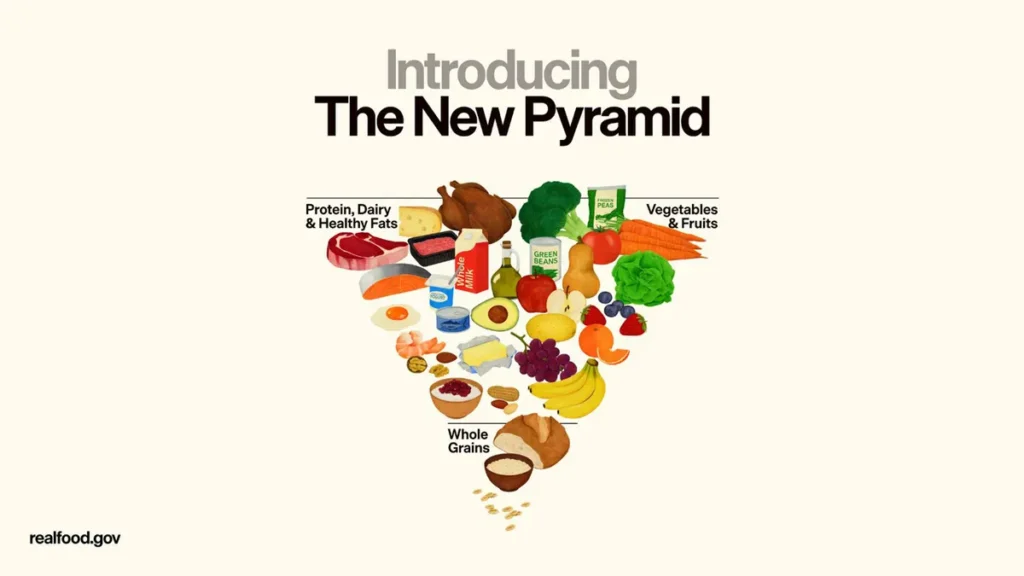
My first impression of the graphic itself? It honestly looked like a “what I eat in a day,” just arranged in an upside-down triangle.
There’s some speculation that this was meant as a subtle jab at the old food pyramid — which, by the way, hasn’t been part of the guidelines since 2011, when MyPlate was introduced.
Anyway.
Here are a few highlights (and head-scratchers) from the updated guidelines:
Protein
Yes, protein targets are slightly higher than before — around 1.2–1.6 g/kg/day — but still very reasonable and lower than what many people are hearing online.
Many of my clients think they should be eating 1 gram of protein per pound of body weight (about 2.2 g/kg), which is unnecessarily high for most people.
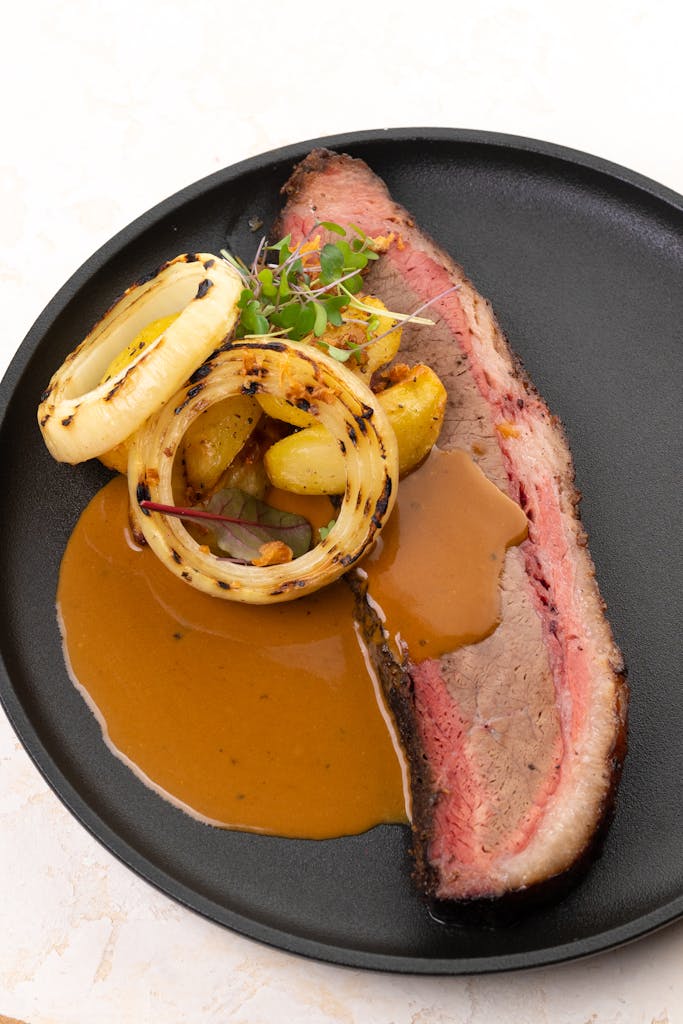
This is not a number most people need to stress about.
That said, when protein is primarily depicted as coming from animal sources (as it is in the graphic), it becomes very difficult to stay under the recommended saturated fat limit (see above).
Those two messages don’t fully line up.
The short version: if you focus on the upper left corner of the graphic (where most people look first) and choose red meat and cheese as your main protein sources, saturated fat adds up very quickly.
Poultry and fish, which are much lower in saturated fat, are pictured, but they’re not as clearly distinguished, which feels like a missed opportunity.
Grains
Grains are surprisingly minimized in the visual.
This feels both unrealistic and unnecessary.
Whole grains are one of our most reliable sources of fiber, a nutrient most Americans don’t get enough of — yet fiber barely gets a mention at all.
Processed Foods
There’s a strong emphasis on avoiding highly processed foods.
Some of that is warranted. But context matters.
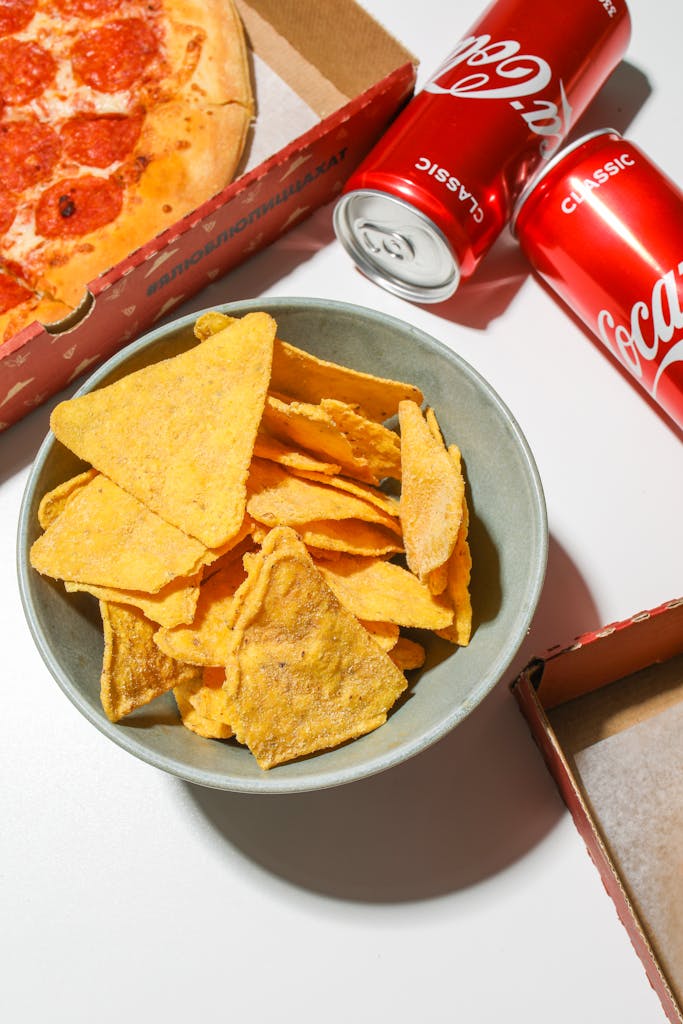
Many people:
- Don’t have consistent access to whole foods
- Don’t have the time, energy, or skills to cook everything from scratch
- Have internalized the “processed food is toxic” message to the point of fear, guilt, or disordered eating
That narrative has been circulating for years.
Doubling down on it without nuance can do real harm.
Tone matters. And speaking of tone…
Tone & Messaging
The introduction — including the “Message from the Secretaries” — struck me as surprisingly strident and self-congratulatory.
There’s an implication that these guidelines alone will improve the health of Americans, without meaningfully addressing cost, access, and structural barriers to actually obtaining the recommended foods.
That’s a miss.

And let’s be honest:
No one I work with is making food choices based on the Dietary Guidelines. People eat based on:
- Convenience
- Cost
- Culture and preference
- What they see online
- What fits into their real lives
That said, these guidelines do matter in certain settings — like schools, hospitals, and other institutions — so they’re still worth paying attention to.
Industry Influence
One major criticism I keep hearing is that many panel members involved in creating these guidelines have financial ties to the meat and dairy industries. My personal take is that this bias shows up more clearly in the graphic than in the written recommendations themselves.
That’s one reason why I’m sharing both the image AND a few key recommendations pulled directly from the written guidelines:
- Consume a variety of protein foods from animal sources (eggs, poultry, seafood, red meat) and plant-based sources (beans, peas, lentils, legumes, nuts, seeds, soy).
- ~3 servings of full-fat dairy / day.
- ~3 servings of vegetables / day.
- ~2 servings of fruits / day.
- Prioritize oils with essential fatty acids(*), such as olive oil. Other suggested options include butter or beef tallow.
- Keep saturated fats(**) under 10% of total calories.
- ~2-4 servings of fiber-rich (***) whole grains / day.
- Keep sodium intake under 2,300 mg / day.
- When it comes to alcohol, less is better.
- No amount of added sugar is considered “necessary,” with less than 10g suggested per meal.
(*)RD note: Olive oil actually contains monounsaturated fats, which are different from the essential fatty acids, (polyunsaturated fats are considered essential) referenced in the guidelines.
(**) Another RD note: Butter and beef tallow are SIGNIFICANT sources of saturated fat, and yet they’re referenced by name in the previous recommendation.
(***) RD again: one serving = 1 slice of bread or 1/2 cup cooked rice or oats – at only 2-4 servings per day sufficient fiber intake will not be reached, and these are unrealistically small portions to promote overall satisfaction with meals.
So… what do you think?
Are you going to suddenly change everything you’ve been doing?
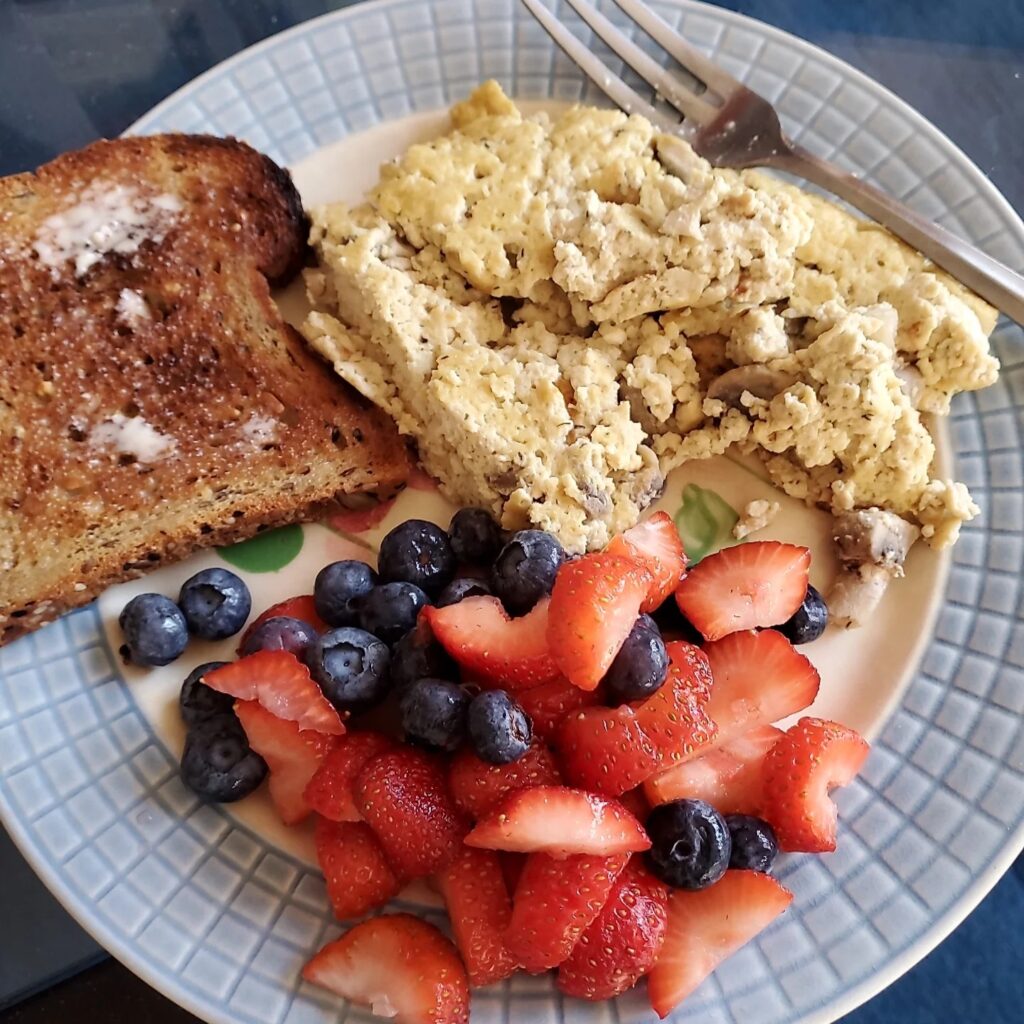
I know I’m not.
The Dietary Guidelines aren’t something most individuals need to overhaul their lives around — and they’re certainly not a moral compass for eating “right.”
Nutrition is far more personal, contextual, and complicated than any single graphic can capture.
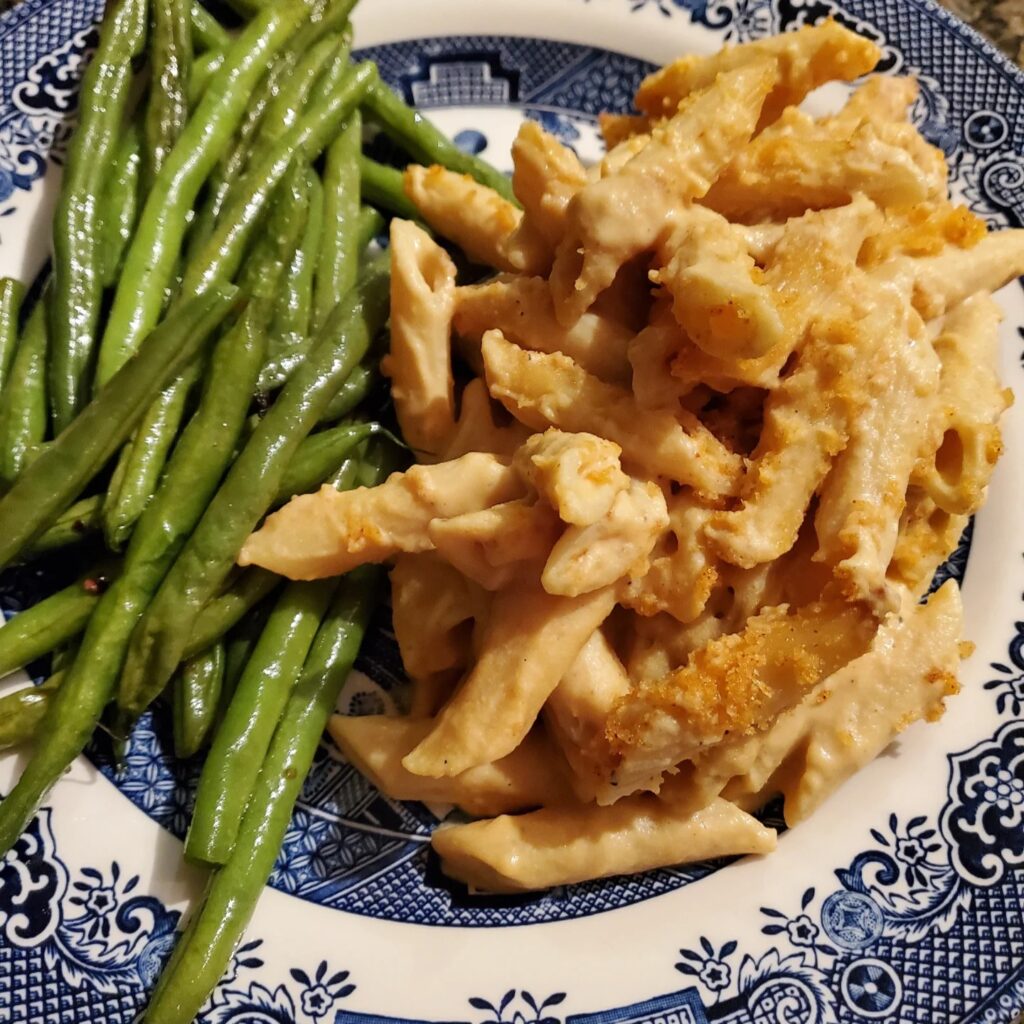
If you’re eating a variety of foods, getting fruits and vegetables regularly, including fiber, protein, and fats that support your health, and not swinging to extremes, you’re probably doing just fine.
And if you want help translating broad recommendations into something that actually works for you, that’s where individualized nutrition counseling comes in. I’m still accepting new clients in Illinois — feel free to reach out if you’d like support.