Let’s talk about one of my favorite things to keep in the fridge,
one of the most common lunches reported by my clients,
yet one of the most undervalued opportunities for convenience, cost-savings, and nourishment…
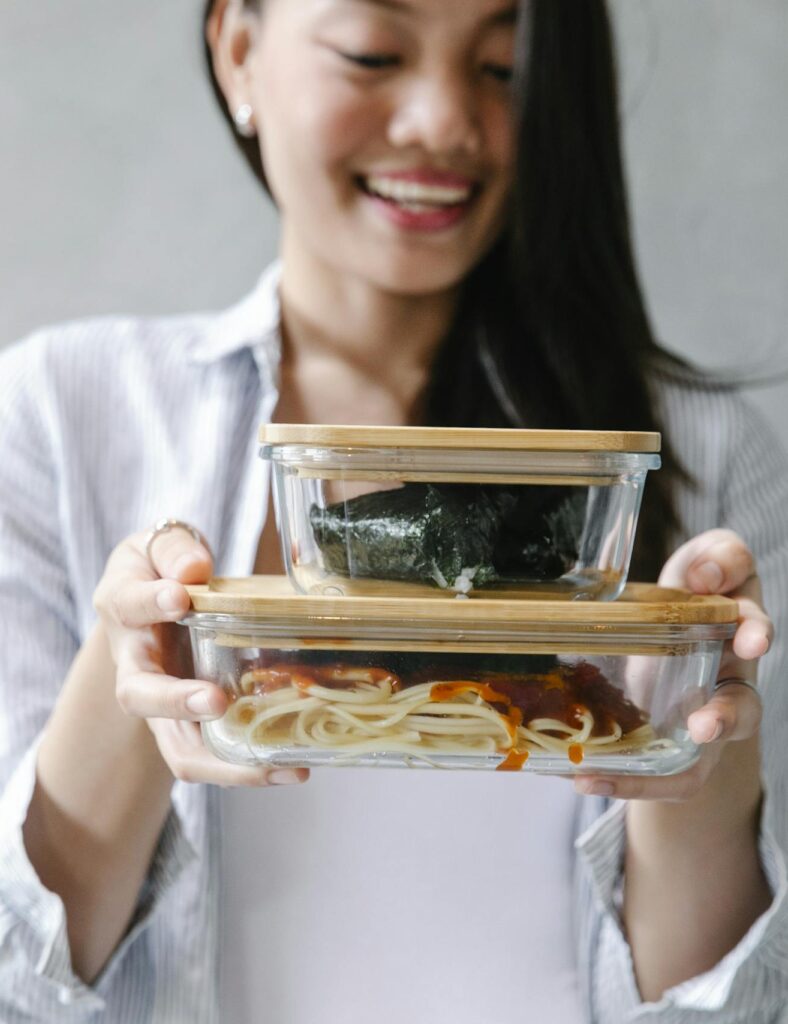
LEFTOVERS.
I know, not everyone gets excited about that container of last night’s chili sitting in the fridge. But as someone who’s a fan of both nutrition and not cooking every day, I’ve gotta say—leftovers can be lifesavers.
They’re:
- Time-saving (dinner’s already done!)
- Money-saving (less waste = fewer grocery trips)
- Energy-saving (yours and the planet’s)
- Perfectly positioned for packed lunches or snack plates the next day
Not to mention, some meals actually taste better the next day—looking at you, soups, stews, and pasta sauces. The flavors get to mix, mingle, and evolve overnight.
But storing leftovers well is just as important as making them in the first place—especially if you want to preserve flavor, freshness, and food safety.
So, a few quick tips for storing your delicious extras:
Cool It Down
Let food cool to room-ish temp before putting it in the fridge—but don’t let it sit out for more than two hours. Yes, food safety is the opposite of thrilling, but it’s good to understand a few basics. 4 hours is the maximum amount of time restaurants are allowed to leave foods that can spoil in the temperature “danger zone” (between 40 and 140 degrees Fahrenheit) before it must be thrown away.
Portion It Out
Divide leftovers into smaller containers so they cool faster and are easier to reheat in single servings. Plus, this is the lazy genius way to meal prep without actually “meal prepping.”
Label & Date
Okay, I rarely take this step myself, but if you tend to lose track of your leftovers, future-you will thank you when you don’t have to play “What Is This and When Did I Make It?” in three days – or three weeks. Many clients ask me how long things can keep in the fridge, and generally, most prepped food can be kept for 4-5 days. If you don’t think you’ll get to it by then, the freezer can significantly extend this time.
Let’s Talk Containers
Many of us use plastic containers because they’re lightweight, inexpensive, and everywhere. But there are a few things worth considering:
- Heat and plastics don’t always mix well. Some plastics can leach chemicals into food, especially when reheated. This is more likely with older containers or those not labeled “microwave safe.”
- Avoid microwaving in plastic whenever possible. Transfer food to a glass or ceramic dish first—it’s a small extra step with potential health benefits.
- When in doubt, use glass. Glass containers are sturdy, safe to heat, and often come with airtight lids that keep food fresher longer. (Bonus: no tomato-stained Tupperware.)
- Another option is silicone. I recently picked up a few silicone zip-lock bags. This material has the flexibility of plastic, but is considered much safer.
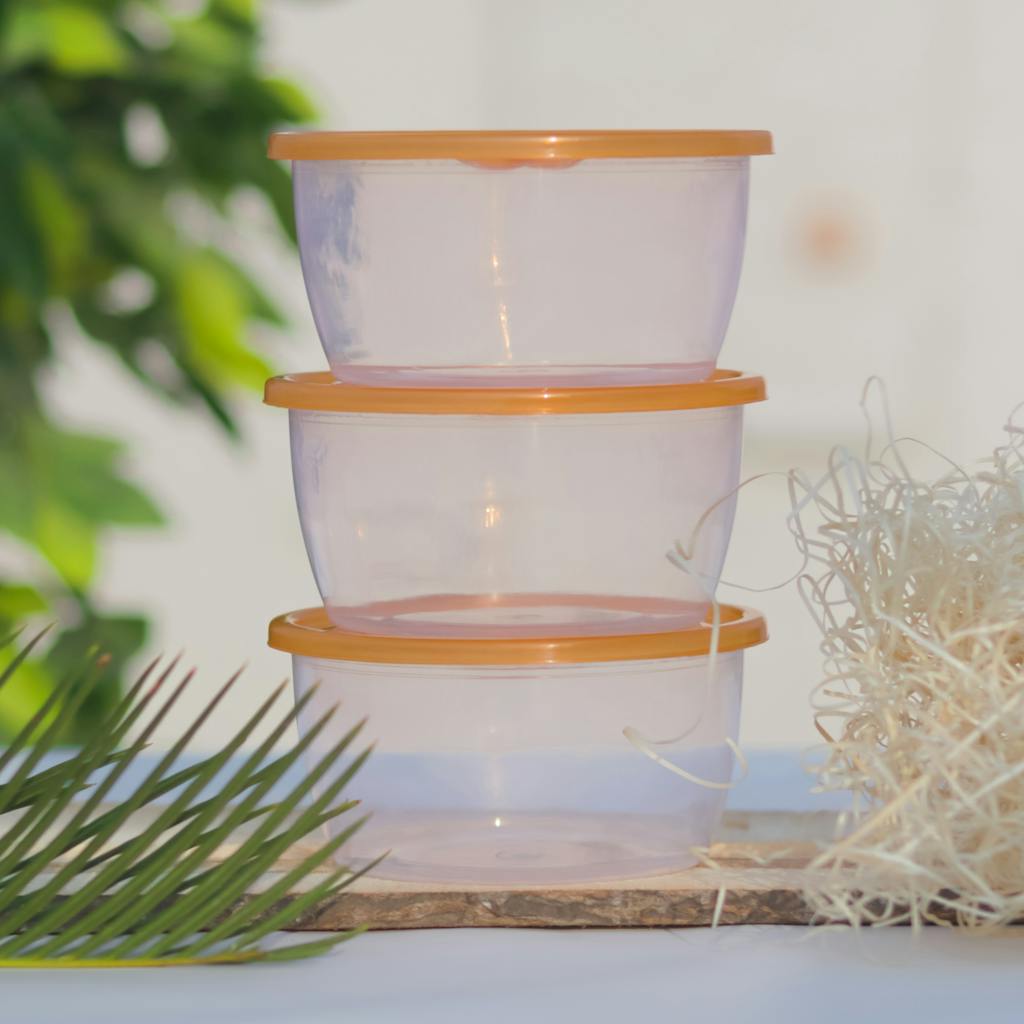
If you are using plastic, make sure to:
- Avoid high heat (don’t microwave or dishwasher on high)
- Toss any containers that are scratched, cloudy, or warped
- Choose BPA-free when you can
Looking for some recipes that will yield plenty of leftovers? Check out these video ideas on my YouTube channel:
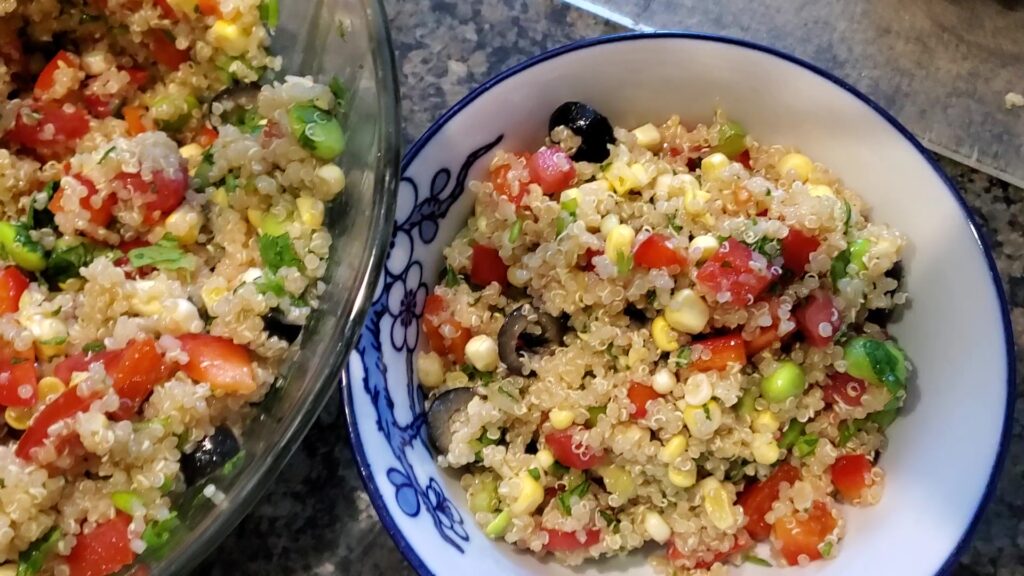
Let me know what you think – are you a leftover lover as well? What’s your favorite dish to look forward to eating the next day?
Finally, if you, or someone you know, in IL could benefit from individual nutrition counseling, don’t hesitate to reach out.