I work with many clients who struggle to get breakfast in the morning.
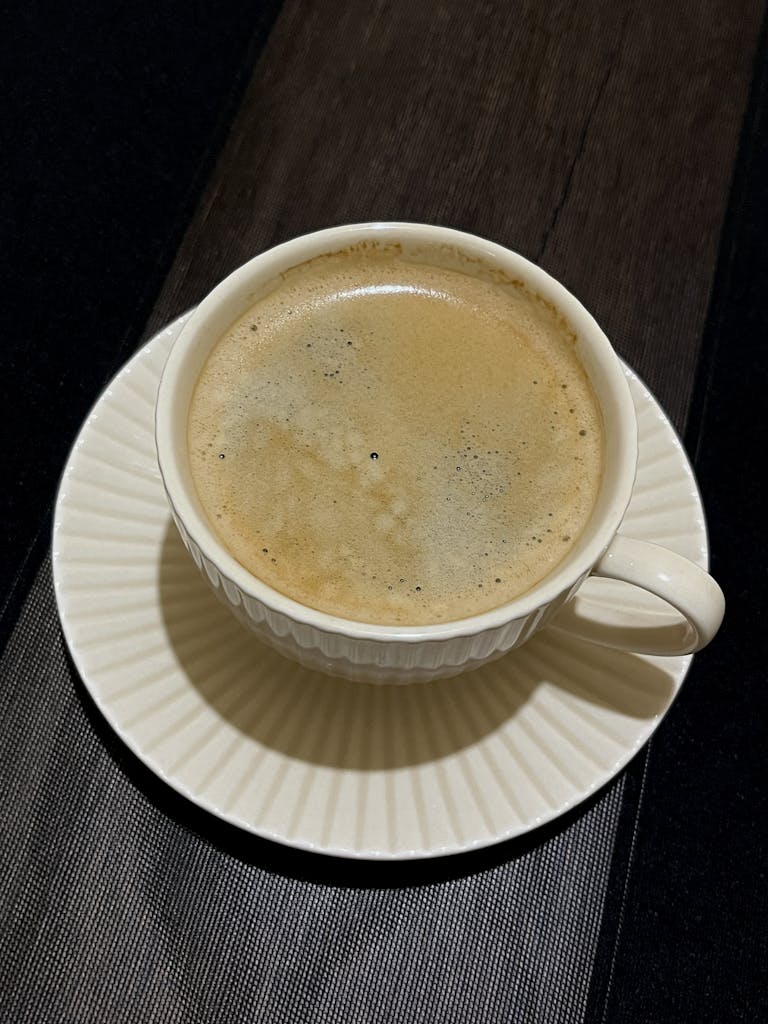
But somehow they always make time for their coffee.
Now, I’m not here to judge those of you who might be prioritizing a hot, bitter liquid over nourishment – really, I’m not.
I’m actually interested in exploring the benefits of coffee, and offering some things to consider when grabbing your morning brew.
So, a few things to consider:
- Is coffee okay to drink?
- How much is too much?
- Will it dehydrate me?
- How guilty should I feel for enjoying a specialty coffee?
So… is coffee okay to drink?
Though most people gravitate towards coffee for its energy-boosting caffeine, it is also rich in antioxidants.
The polyphenols we find in coffee can have some health benefits (combatting oxidative stress and inflammation and potentially reducing risk for metabolic syndrome – i.e. the risk of heart disease, stroke, and type 2 diabetes), so eschewing it outright is unnecessary.
If you don’t like coffee, you can find similar compounds in things like green tea, black tea, and even chocolate, but coffee does in fact have higher levels of polyphenols than the others.
How much is too much?
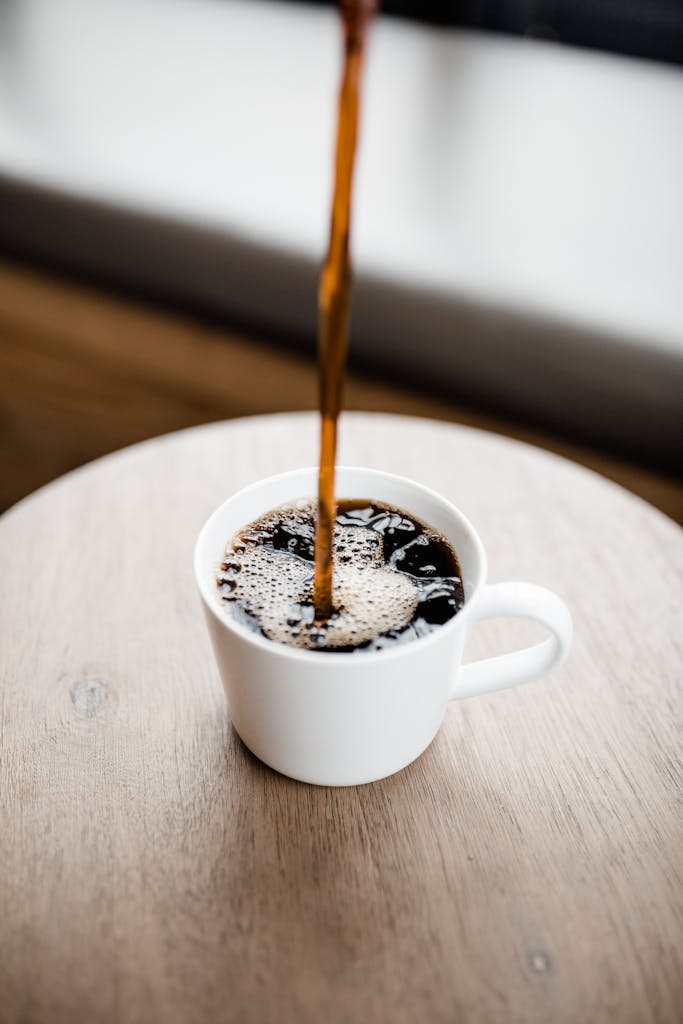
When it comes to quantity, this can actually vary from person to person – we don’t all metabolize caffeine in the same way.
The general guideline is up to 3–4 cups/day(note – 1 cup is 8oz, so if your mug holds 16oz, that’s 2 cups) for most adults. But, if you feel jittery or anxious drinking this much, reassess your dose.
Personally, I don’t feel good with too much caffeine so I don’t like to have more than a cup a day.
And of course, timing makes a difference as well.
Some people may need a mid-afternoon boost, some people may be fine with a shot of espresso after dinner, and others, not so much.
So, KNOW YOURSELF.
Will it dehydrate me?
When it comes to hydration, yes, the caffeine in coffee can have a diuretic effect, but to bust a bit of a myth here, overall, coffee will not dehydrate you.
I mean, it is mostly liquid.
A stat I’ve seen suggests that the net hydration effect for coffee is about 80-90% of the volume, but one study also showed no difference inthe level of hydration between individuals consuming water versus caffeinated coffee.
May depend on strength of the brew – I don’t know, but the water in your coffee is still boosting your daily fluid intake.
How guilty should I feel for enjoying a specialty coffee?
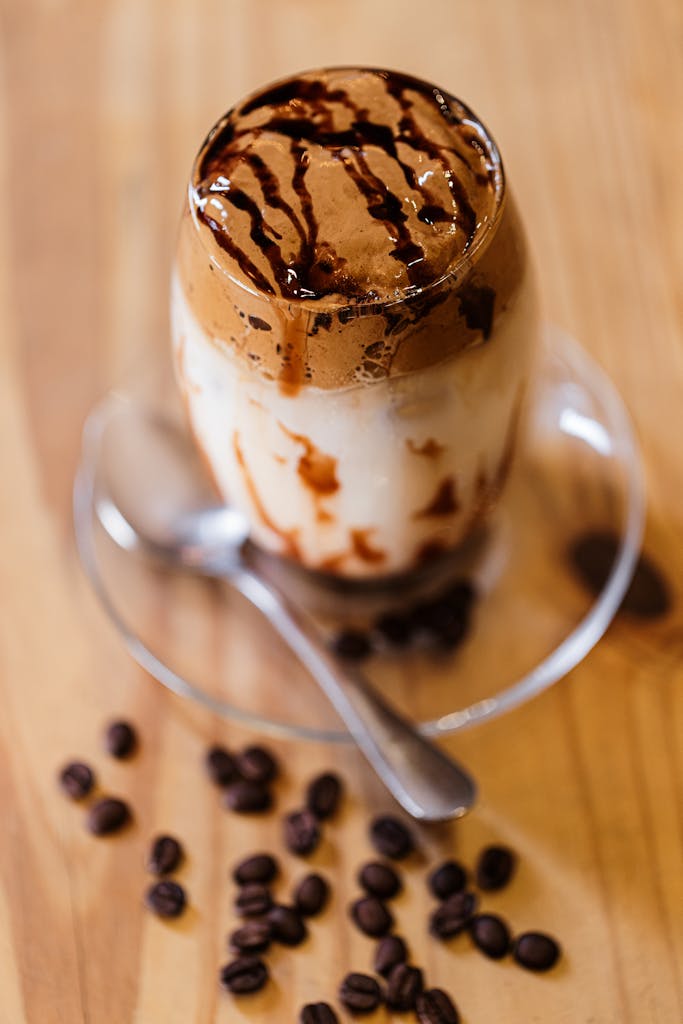
Okay, I don’t want anyone feeling guilty for enjoying a venti iced mocha from time to time. But, although the 400+ calories you might get with such a drink may be the calorie equivalent of a meal, coffee is not a meal.
Try to pair it with something nourishing if you can – eggs or fruit or whole grain toast. Yes, protein coffee has become a thing (apparently), which is a step up from simply coffee with a pump of flavored syrup, but should also be done mindfully.
If you haven’t heard of protein coffee, it is basically coffee mixed with a protein supplement – whether protein powder added to brewed coffee or a shot of espresso added to a ready-made protein drink.
So… ‘yay’ for starting your day with some protein, but some protein supplements and drinks can be high in sugar too.
In an ideal world, we would all be eating food rather than trying to cram our nutrients into our cup, but I think some mindful balance is appropriate in this space. It’s okay if some of our nutrients and, yes, calories come from our coffee, but if it is always outranking nutrient-dense foods, we may need to rethink our priorities.
Finally, although the caffeine in your coffee may energize you, it really shouldn’t be your ONLY source of energy for the day.
- We can get energy through sufficient sleep.
- We can get energy from food (specifically carbohydrates).
If you have skipped these options and are relying solely on a caffeine jolt to power you through your day, I mean, do I need to say it again?
PRIORITIES! (okay, maybe that is a little judgy)
So, bottom line?
Coffee can absolutely be part of a healthy, balanced diet.
It hydrates. It energizes. And it has some real nutritional perks.
Just watch the portion size, the add-ins, and your own personal limits.
As always, if you, or someone you know, in IL could benefit from individual nutrition counseling, don’t hesitate to reach out.