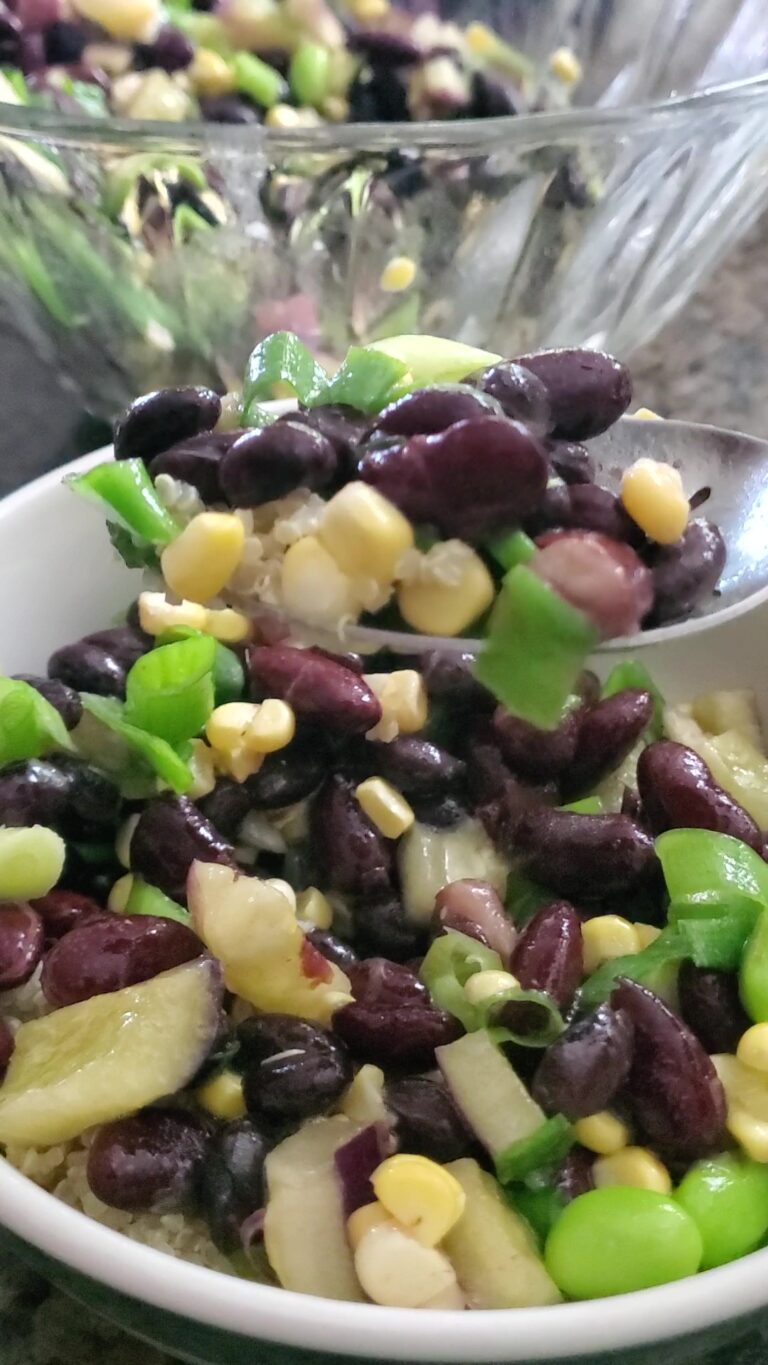
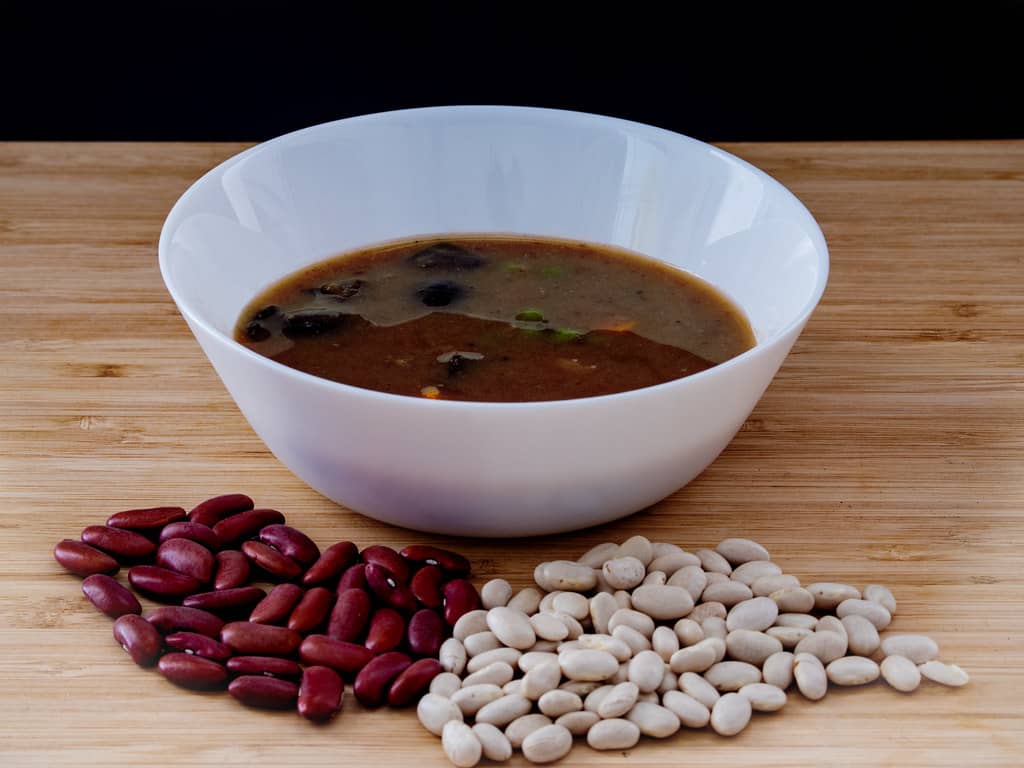
Have you heard about “BEAN SOUP“?
I know, I’ve shared plenty of bean recipes before:
But I don’t think I’ve actually presented BEAN SOUP on YouTube or my blog.
It’s been trending recently, but not because beans are nutritious or budget-friendly (although they are!)…
…but because of what happened when someone posted a simple bean soup recipe online.
Suddenly, the comments filled with people saying:
• “I don’t like beans.”
• “I’m allergic to beans.”
• “I don’t have time to cook beans.”
• “How do I make this without beans?”
Some even suggested it was inappropriate to share the recipe given the myriad of reasons why someone might not want beans…
…in a bean soup.

And from there, “BEAN SOUP” became an analogy—one that’s now being applied to all kinds of situations where people criticize, disagree with, or take offense to content that was clearly not made for them.
When I worked in Residential Eating Disorder Treatment, some of my patients found my YouTube videos and were upset that the messaging didn’t match what they were hearing in treatment. And I was rattled.
Beyond wishing patients weren’t googling their care team, I also knew something important:
Those videos weren’t made for that population.
Tips about “how to eat a little healthier” can be actively harmful for someone recovering from anorexia, orthorexia, or bulimia whose priority is eating enough and letting go of food rules that have been internalized to an extreme. That experience made me rethink what I posted, because I worried that someone outside the intended audience could be hurt by the message.
And honestly, I see this happening everywhere in the nutrition world.
People seek nutrition counseling thinking they need to eat, train, or live like fitness influencers or bodybuilders to be healthy—because that’s what the algorithm shows them. But a full-time working parent has a completely different life.
Even if someone wants to look like a bodybuilder, the lifestyle required to get there usually isn’t realistic—or healthy—for them.
It’s like handing a bean soup recipe to someone who’s allergic to beans.

It’s just not compatible.
But instead of thinking, “Oh, that’s not meant for me,” many people assume it should be—and then feel inadequate or harmed when they can’t make it work.
I see more and more people struggling to tell the difference between content that is meant for them… and content that isn’t.
So whose responsibility is it?
Is it on the creator to make sure every single viewer interprets the message positively?
Or is it on the consumer to recognize, “This isn’t for me,” and move on?
As someone who genuinely wants to help people through social media, I often feel held back, not just because I want to avoid conflict, but because I never want something I say to be misunderstood in a way that causes harm.
Now even my bean recipes feel like potential minefields!
I’m genuinely curious…
If information causes harm (or irritation), who is responsible?
Is it the messenger?
Or is it on individuals to curate their media environments (not a small ask) and acknowledge that not everything is meant for them?
I’d love to hear your thoughts.
And if you’re feeling completely confused about what nutrition guidance is right for you, working with a dietitian can make a world of difference. I have these conversations every day and help clients create personalized, sustainable goals that match their real lives and values… not someone else’s.
If you’re in Illinois and feel one-on-one counseling would help, I’d love to support you.
If you live in Illinois and feel you would benefit from one-on-one nutrition counseling, don’t hesitate to reach out.