It’s March, and that means just one thing – National Nutrition Month!
Although, it’s also Colorectal Cancer Awareness Month, so I guess that’s two things.
There are probably other important things about March too – the start of spring, St. Patrick’s Day, Lent, I don’t know, maybe you have a birthday in March, but I can’t get into all of that in this blog post, so I’ll be focusing on the first two I mentioned.
So, what could National Nutrition Month and Colorectal Cancer Awareness Month possibly have in common?
I’m gonna go with GUT HEALTH!
There is a lot to say on the subject.
Before going into HOW we can take care of our gut, nutritionally speaking, let’s just do a quick run-down of WHY we need to take care of our gut.
I mean, it is a part of our body, so we want it to be healthy, right?
Actually, anatomically speaking, the interior of our digestive tract is considered to be outside of the body because the canal has openings to the external environment on both ends.
But we still need to take care of it, and here are just a few reasons why:
- We don’t want to get colorectal cancer, obviously – had to mention this one first given the theme of the month
- The health of our gut is intimately connected to digestion and excretion of wastes, which impacts ALL systems
- Gut health has been tied to mental health – have you heard of the gut-brain axis? or that the gut is the second brain?
- Immunity is impacted by the health of the microbiome that lives in our gut
And those are just for starters. But that’s also where I’m going to leave it for now – after all, I’m not writing a book (yet)!
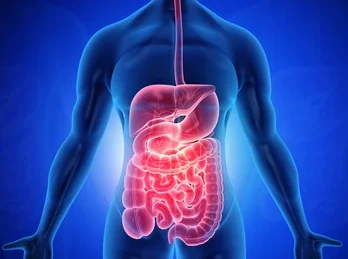
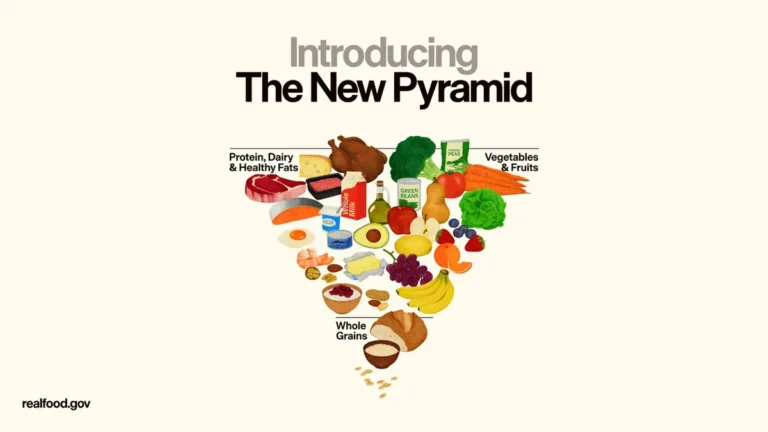
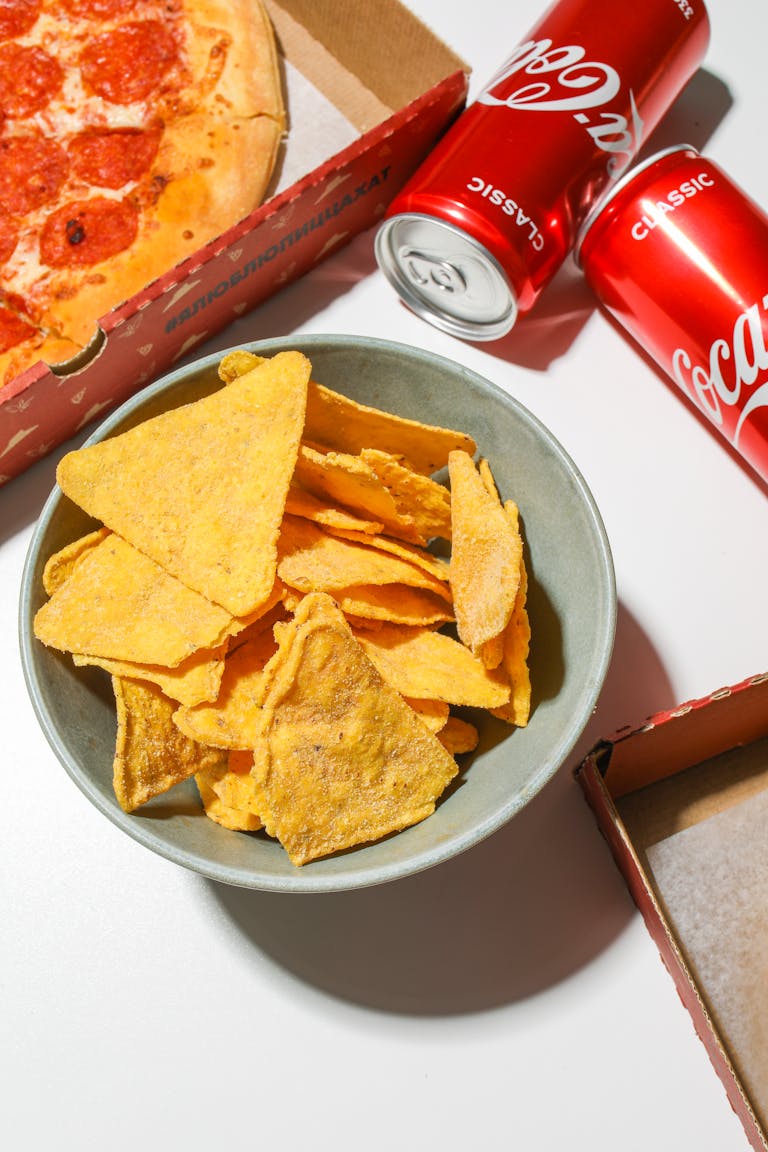
Moving on to the HOW part of taking care of your gut. And at this point, I start to feel like a broken record, because a healthy diet based on whole foods that includes a variety of fruits and vegetables, high fiber grains and legumes, lean proteins and heathy fats, with a moderate approach towards foods that might be considered “treats” is good for all of our parts, so this nutritional advice may sound repetitive.
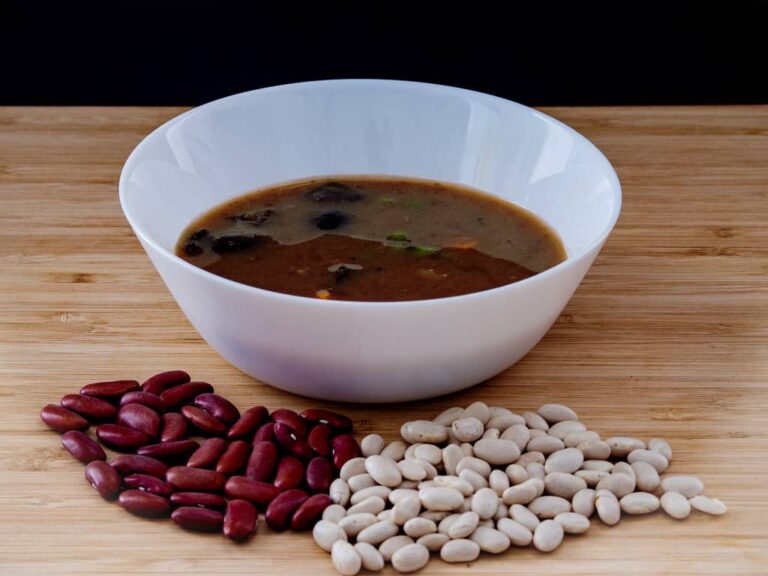
Let’s look first at colorectal cancer prevention. The most important nutrient here, in my opinion, is FIBER*. Dietary fiber is found in fruits and vegetables, beans and grains, nuts and seeds – basically anything that is a plant that hasn’t been processed in a way that removes the fiber-rich portion.
FIBER is a type of carbohydrate that cannot be broken down by our digestive tract – we don’t have the enzymes needed to do it. So, it travels through us intact. It provides bulk to the waste matter in our intestines, which makes it easier to move everything out the other end. We don’t need to go on “cleanses” to keep this system running smoothly, we just need to eat a diet with a sufficient amount of fiber (25-35 grams per day*) to do the job on a daily basis. By the way, hydration is also important to maintain this flow through the gut.
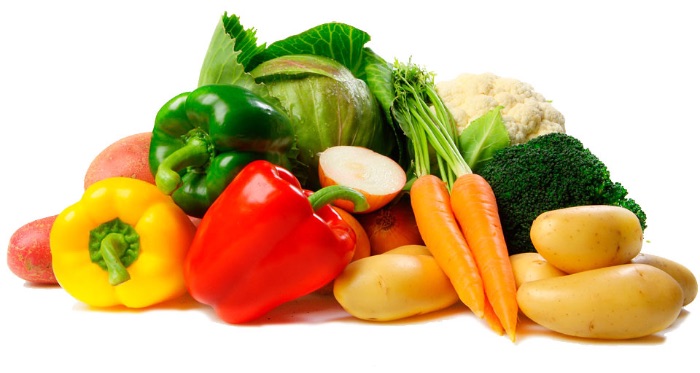
I also want to mention foods high in antioxidants. Antioxidants are a great way to combat oxidative stress that can lead to cellular damage and possibly cancer in any system. So, choosing to eat a variety of fruits and vegetables can fill the bill on antioxidants as well as helping us to stay on track with fiber intake.
Now, I want to move on to supporting the microbiome that lives in our gut, because the colonies of bacteria that make a home in our intestinal tract play a huge role in the health of our entire body. I’m going to refer this topic to a video I made a couple of years ago. If you have an extra 17 minutes, go ahead and check it out. Watch how to make sauerkraut and learn about the benefits of feeding your gut with both probiotic and prebiotic foods.
Finally, I want to make a quick distinction about fiber. There are two types of fiber – soluble and insoluble. The insoluble kind is the one that bulks up our stool and keeps us regular. The soluble type acts as a prebiotic and feeds the bacteria in the gut. I mentioned that our digestive systems cannot break down fiber, but bacteria can! They get energy from this fiber that we cannot use ourselves. In turn, they produce short chain fatty acids, which are a great energy source for the cells that line our gut. It’s a wonderful symbiotic relationship when it’s working right! Most fiber-rich foods have some of each type, but ones that are high in prebiotic soluble fiber include oats, bananas, onions, garlic, asparagus, artichokes.
*NOTE: If you are not currently consuming much fiber in your diet, starting slow is the best recommendation I can offer. It might take some getting used to. If you have a condition that is aggravated by a high-fiber diet (such as a flare-up of Crohn’s or ulcerative colitis), please listen to medical advice.
If you find yourself wanting additional nutritional support, don’t hesitate to reach out to me.
Here’s to happy, healthy eating!