This post is going to be full of fun facts about spices, seasonings, and herbs, and by the end of it, I hope you are inspired to experiment with flavor both for your palate and for your health.
Because spices are so relevant! Both to cooking and nutrition.
First of all, do you know the difference between an herb and a spice?
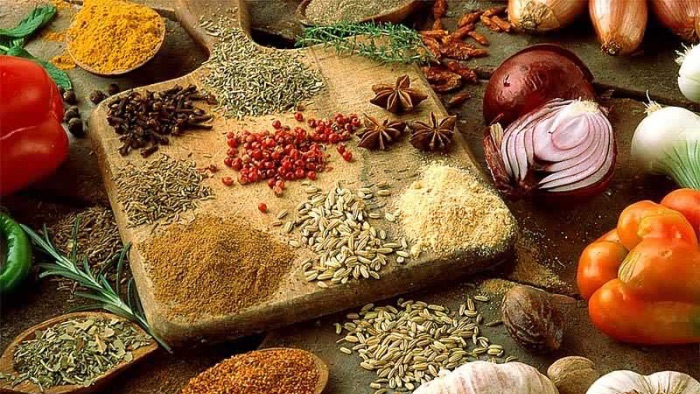
Answer: HERBS come from leaves, SPICES from another portion of the plant such as stem, seed, root, flower, or bark.
From a culinary standpoint, both herbs and spices are a great way to flavor food without any added fat, sugar, or salt. They have been used practically FOREVER both medicinally and to preserve food, undoubtedly related to their HIGH ANTIOXIDANT CONTENT. (If you are unfamiliar, antioxidants are substances found in foods that protect cells from the damage caused by free radicals.) Some essential vitamins, such as Vitamin C, Vitamin E, and Carotenoids (which are a precursor to vitamin A) have antioxidant function in the body.
Some herbs do contain vitamins and minerals, for example:
- Dill contains Ca, K, Vit C, Vit A, Folate
- Mint contains Ca, K, Fe, Vit A
- Sage contains Vit K, Mg, Zn, Cu
However, these herbs are generally consumed in quantities too small to be considered a GOOD source of any of these nutrients.
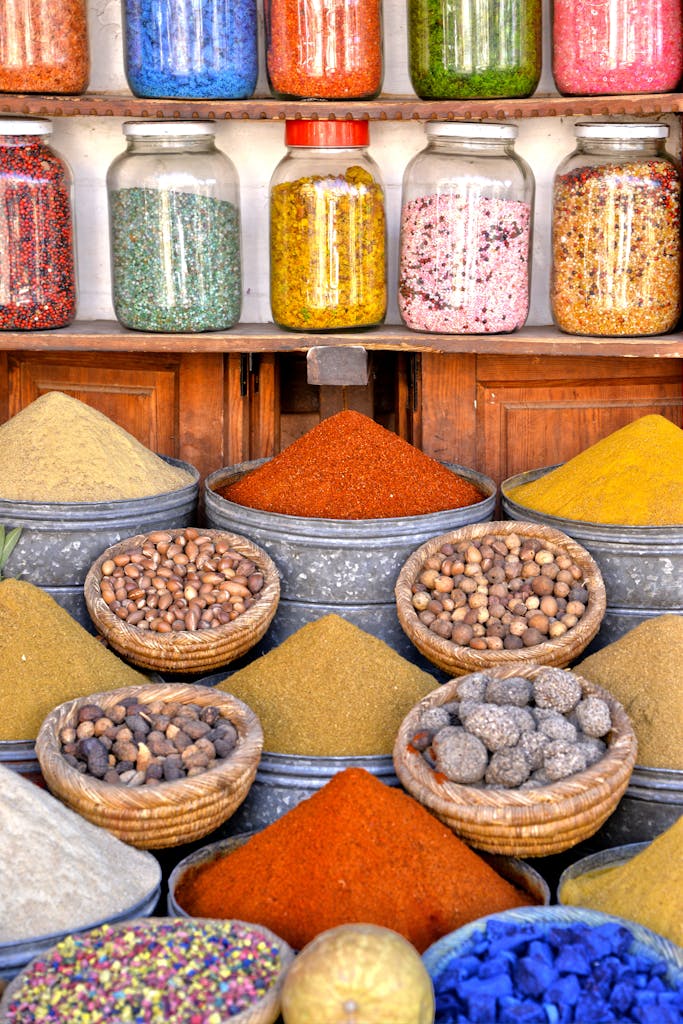
The antioxidants found in spices tend to be polyphenols, such as flavonoids, which also show up in fruits and vegetables and things like green tea and chocolate. The flavonoid level is super high in many spices and herbs! Cloves appear to have the highest flavonoid content.
Other great options include:
- peppermint
- allspice
- cinnamon
- oregano
- thyme
- sage
- rosemary
- saffron
Even dried and ground, most of the antioxidants remain intact.
You might be thinking, well that’s all fine and good, but I’m not going to eat a handful of cloves the same way I might eat a handful of blueberries (please don’t). But the thing is, cloves have like 50x the antioxidants in blueberries, so you can get the benefit from a much smaller quantity.
Antioxidant levels vary in other spices, but if they become a regular component of your diet, small doses can add up throughout the day and over time.
Here are a few easy options:
- Add cinnamon to your oatmeal or sprinkle it on fruit
- Season beans with cumin and other warming spices such as coriander, paprika, and cayenne
- Add additional Italian herbs (basil, parsley, oregano) to pasta dishes
- Dried herbs such as rosemary, thyme, or sage are great on roasted vegetables such as potatoes or cauliflower
- Dill or tarragon are tasty in eggs or in cold salads such as tuna or potato
If you’re new to cooking with herbs and spices at home, it can take a little practice to figure out what seasoning goes with what food. Sometimes it’s helpful to buy a spice blend (ie: pumpkin pie spice, Italian seasonings, curry powder), but you can learn to improvise by trying things out and taking notes.
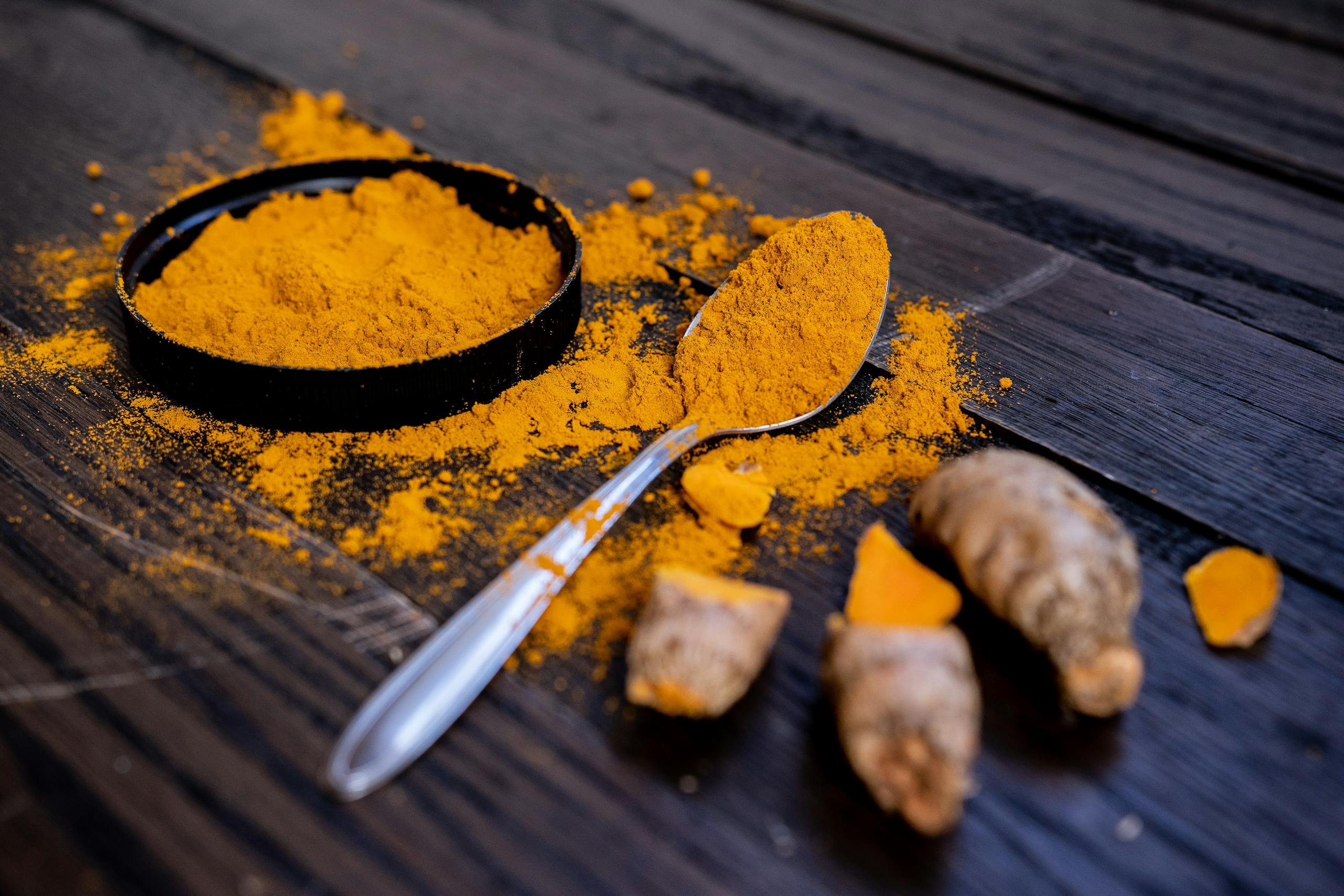
There is one spice that deserves special mention, and that is turmeric, which is considered a functional food – beneficial to health beyond its nutritional properties.
The polyphenol found in turmeric is called CURCUMIN (not to be mistaken for CUMIN, which is an entirely different spice). LOTS of studies have been done on curcumin, which is classified as:
- anti-inflammatory
- anti-oxidant
- anti-carcinogenic
- anti-bacterial
- anti-viral
- anti-fungal
- and more
It has been used for these beneficial properties for thousands of years, and it often gets recommended for conditions such as arthritis, digestive problems, diabetes, etc. Medicinally, it is often recommended as a supplement, and generally this is the way in which it is studied to determine effectiveness, so for perspective:
- The dose of curcumin you might find in a supplement is about 500mg
- There are about 200mg of curcumin in 1tsp turmeric
Thus, it would take an awful lot of adding turmeric to your food to reach the level of supplementation needed to expect a therapeutic benefit. However, sometimes small things over time, even if no immediate effect is evident, can be impactful.
If adding turmeric to food, for best results:
- Combine with black pepper, which improves bioavailability (our body’s ability to absorb and utilize the compound)
- Take with a healthy source of fat (or add to a dish that has fat in it) for best absorption
Turmeric is found in lots of Indian, Indonesian, and Moroccan dishes and is usually a component of curry powder.
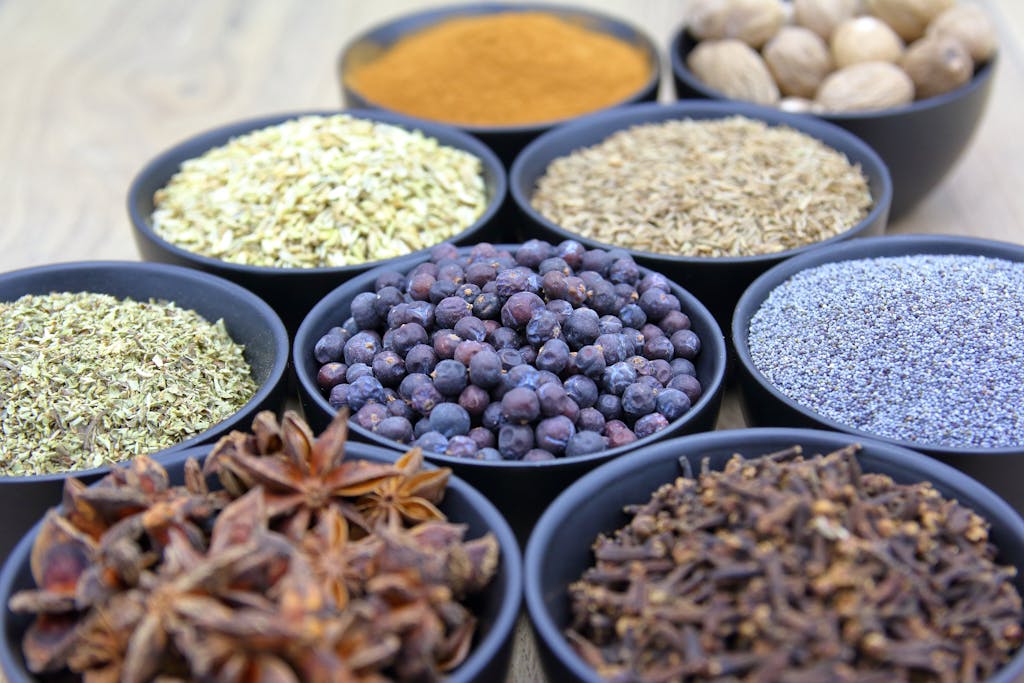
Now, seasoning your food is not going to single-handedly solve all your health concerns. Antioxidant content in herbs and spices does not guarantee bioavailability, but according to a PubMed article from Genes and Nutrition “Although the daily intake of herbs and spices is very low compared to most other foods, this important set of food seasoning agents should not be underestimated, especially given their potential benefits to human health”.
And from my point of view, spices are a lot of fun! They bring big flavor to meals without any real downside, nutritionally speaking.
A suggestion I have heard for those who are intimidated by using spices is to start by buying one.
Just one.
And try it out. See how it works on the foods you often eat.
When you get bored or more confident, add in another one.
Recipes often give us an idea of what spices blend well together, and a well written recipe has been tested for tastiness, so they are great references. But even those everyday foods that you make without following a recipe might be made just a little bit zestier with a sprinkle of spice.
Looking for more one-on-one support from a Registered Dietitian? I’m currently taking NEW CLIENTS in IL – click here to schedule a FREE CONSULT.