I caught an Instagram reel not too long ago about whether or not food is “addictive,” and thought it would be a great topic to address. I often hear from clients that certain foods — sweets, chips, bread — feel addictive.
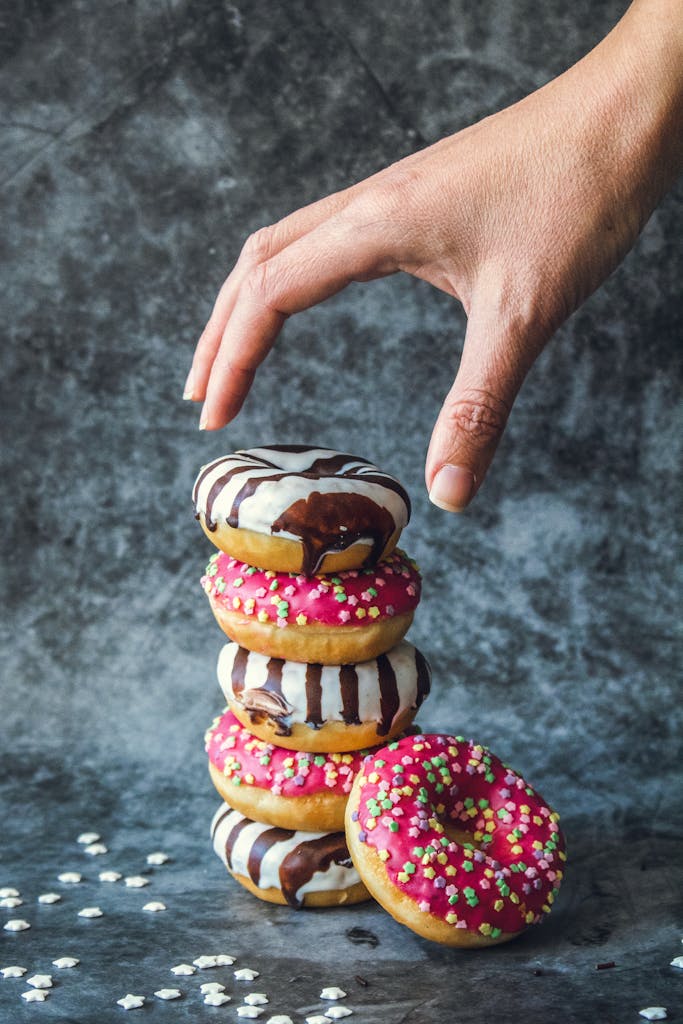
The POV of this Intagrammer (and myself) is that it’s not, not really, but if you’ve ever found it’s hard to stop eating something, even when you’re full and cannot understand why you are putting your hand back into the bag for more, I get it! It really does feel like these crazy delicious foods have a hold on us, and the only way to control ourselves is to stay clear of them. But today, I want to gently challenge the idea that food is addictive in the same way that, say, nicotine or narcotics or other substances are.
First, a teensy bit of science:
Pleasurable foods do activate the dopamine centers in our brain—the parts associated with reward and motivation. That’s normal. Eating is supposed to be pleasurable! We are genetically programmed to enjoy doing things that promote survival – okay, maybe not getting up at 6am to go to work and paying taxes and those sorts of things, which are more recent developments. But the effort required to hunt and gather needed to have the immediate payoff of pleasure, which ultimately led to survival of the species.
So, how do I shake the cravings if I don’t want to be a slave to my prehistoric urges?
In my opinion, there are two big reasons food can make us feel like we are under its power:
1. Restriction creates a sense of scarcity.
When certain foods are labeled “off limits,” they naturally become more appealing. It’s basic human psychology—what we can’t have becomes what we want even more. So when you finally allow yourself to have that cookie or pizza or ice cream, it might feel out of control and like you will never be able to stop, but that’s often the result of restriction, not addiction.
I know this idea is scary to hear, but I have worked with a lot of binge eaters who have found peace with food by liberalizing their diet rather than becoming stricter on themselves.
2. Some foods are designed to make you want more.
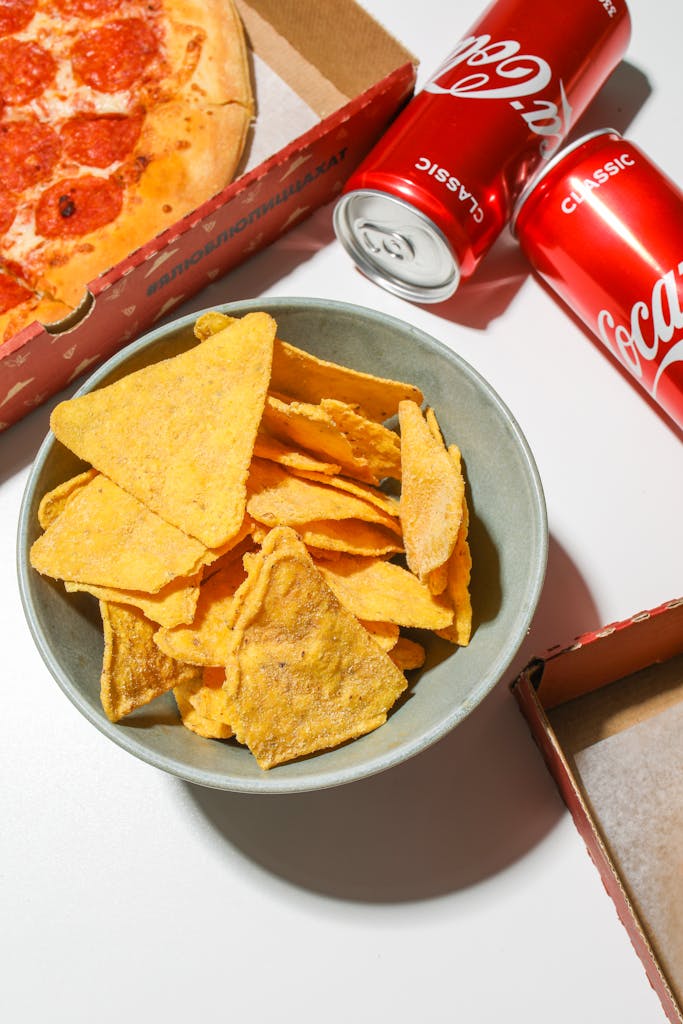
Food manufacturers are very good at creating products that are hyper-palatable: the perfect combo of salt, sugar, fat, and crunch that makes our brains say “more, please!” But these foods are often low in fiber, protein, and other nutrients that help us feel full and satisfied.
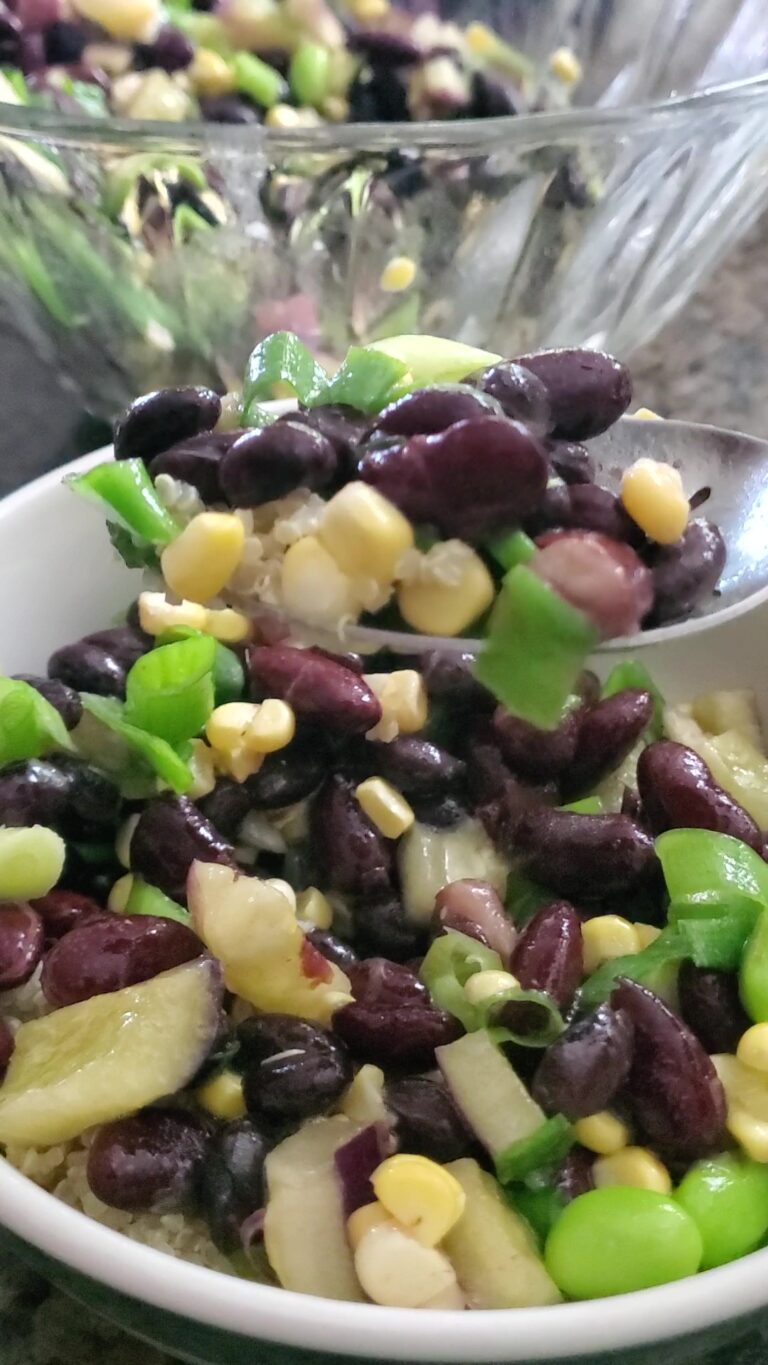
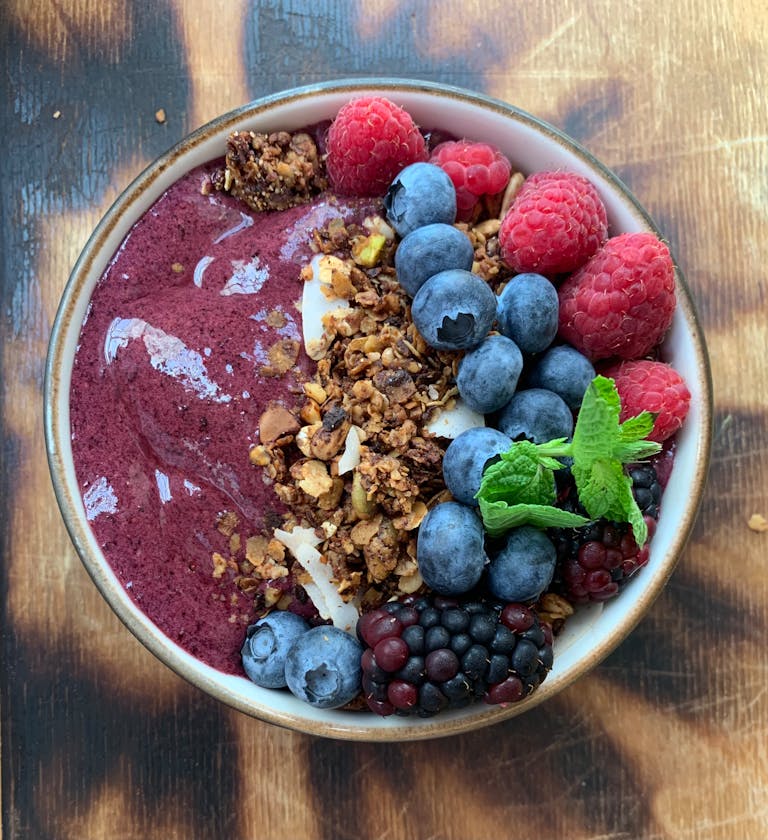
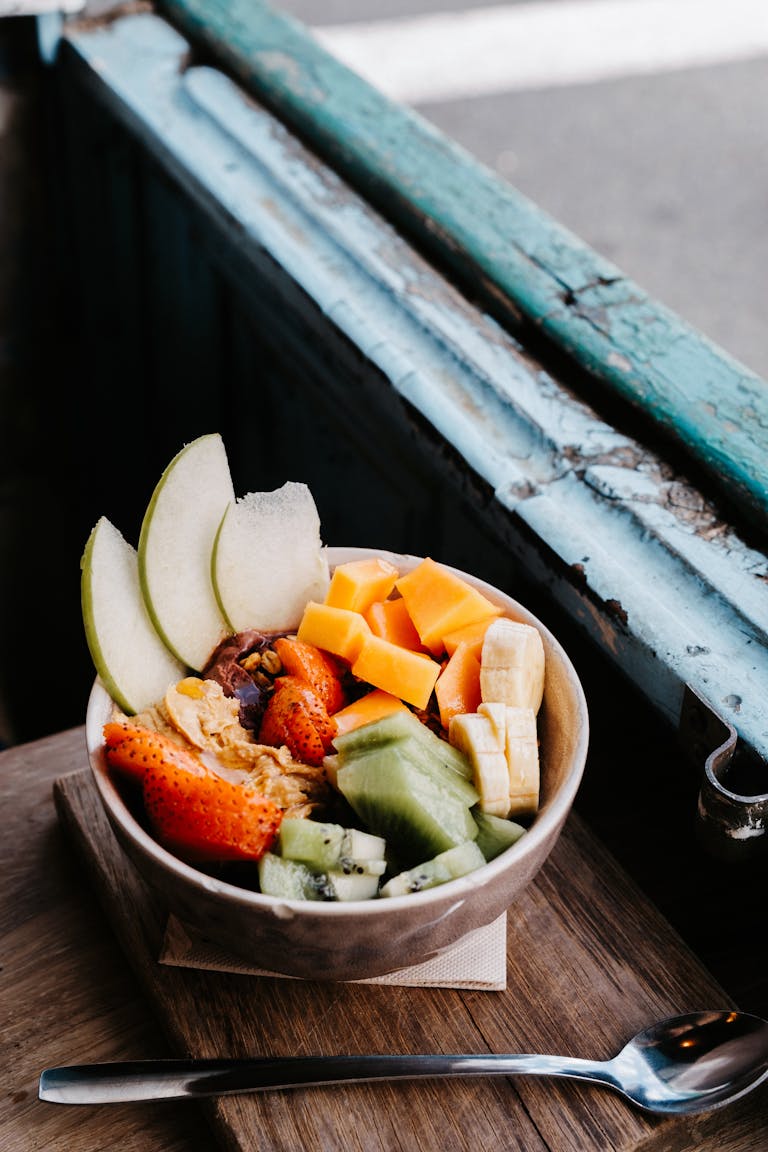
Choosing more whole foods—fruits, vegetables, legumes, whole grains, nuts—helps our bodies naturally recognize fullness cues, which makes it easier to stop eating when we’ve had enough (without needing a battle of willpower).
Just to be clear, I’m not saying we should never have Oreos or Hot Cheetos – please see #1. But making sure we are thinking FIRST about nutrient-dense foods will provide our body with a sense of satiety that might actually allow us to take only a bite or two of something yummy without going off the deep end.
Bottom line:
You’re not broken. You’re not lacking willpower. Your brain and body are responding exactly how they were designed to. We live in a world that has far more food than humans have historically had access to, as well as items that are unlike food that existed during our early evolution. It’s not surprising it might feel a little challenging from time to time.
If you find yourself feeling out of control around certain foods, it’s worth asking:

- Am I restricting this food most of the time?
- Am I eating enough satisfying, nourishing foods throughout the day?
- Am I able to actually listen to my body for hunger and fullness rather than eating on auto-pilot?
If you are struggling with any of the above, small changes can make a big difference.
And remember, you’re allowed to enjoy food. In fact, you should enjoy food! Pleasure is not the enemy—it’s a healthy part of eating.
If this topic resonates with you and you’d like more support untangling your relationship with food, don’t hesitate to reach out. If you live in IL, click here to schedule a free 15-minute consult with me.