
Hey, we all know we should get a good night’s sleep, right?
I’m not a sleep expert, but as a dietitian, I find myself talking about the relationship between nutrition and sleep all the time. Clients often come in saying they have no energy and want to know what to eat to fix it. But when I ask how many hours they’re sleeping, the mystery is usually solved.
Here’s the truth: lifestyle habits can try to compensate for lack of sleep (coffee anyone?), but nothing actually replaces the rest our bodies need.
A few things I find myself regularly mentioning to clients:
1. Sleep makes nutrition goals easier.
We just tend to follow through on our intentions and make better choices when we have energy. When you’re short on sleep, your body craves quick fuel (sugar, caffeine), you’re less motivated to cook or move, and decision-making gets foggy.
2. Chronic lack of sleep can impact our nutritional status because it can affect hormones in our body that regulate our metabolism, raising risks for diabetes, heart disease, and weight gain.
I’m mainly talking about INSULIN.
Insulin is that hormone that is released by the pancreas after we eat to let the cells know there is glucose available for them to absorb and use for energy. Unfortunately, there are a bunch of things that can lead to insulin resistance, which means the insulin tries to do it’s job, but the cells kinda ignore it. Lack of sleep is one of the things that lead to this issue. And insulin resistance is no joke – it is the foundation of Type 2 Diabetes.
3. Exercise isn’t optimized if you’re doing it exhausted.
If your alarm is set for a 5am workout (yes, I hear it ALL THE TIME), that means bedtime should be 9pm. Training on 4–5 hours of sleep just leaves you fatigued, increases injury risk, and slows progress.
Recovery happens when you rest.
Exercise is important, but losing sleep for it is a poor trade-off.
4. Food choices before bed matter.
If you’re hungry later in the evening, go ahead and eat — but choose wisely.
- Sleep-friendly options: nuts (magnesium), dairy/turkey (tryptophan), tart cherry juice (melatonin), kiwi (serotonin).
- Foods to skip: refined sweets and carbs (they spike energy when you want to wind down).
- Try small, balanced snacks like whole grain toast with peanut butter or a handful of popcorn with nuts.
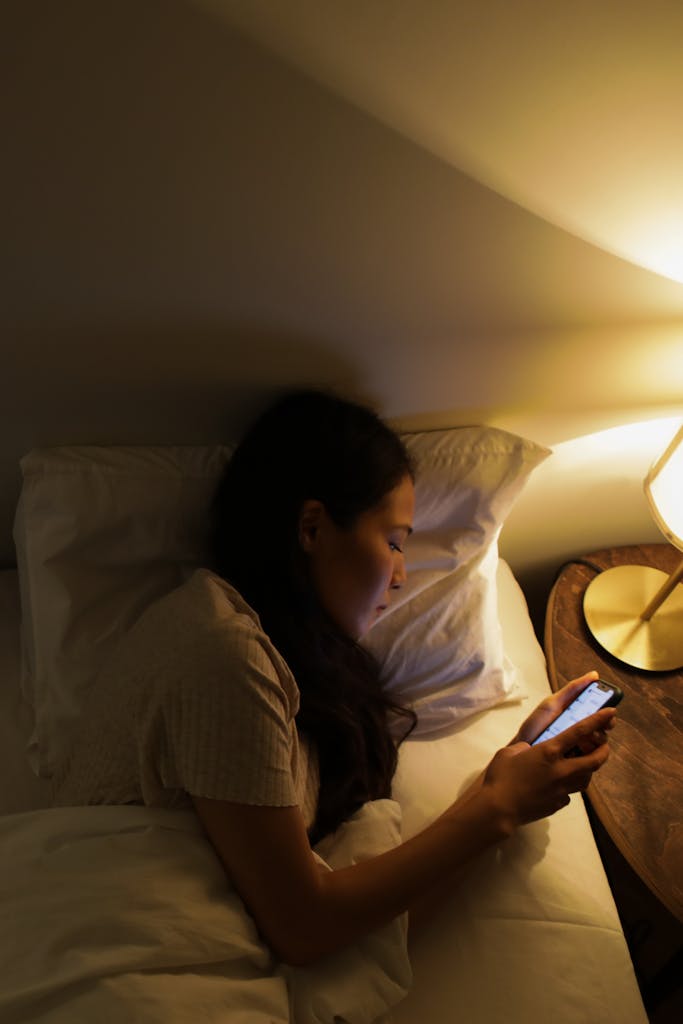
Of course, there are plenty of reasons sleep can be tough (hello, crying babies and insomnia). But some things are in our control, like scrolling on our phones for an hour before bed (not that any of us would EVER do such a thing).
The good news: there are lots of supportive sleep habits that
can improve sleep, both nutritional and lifestyle-based.
If you want to learn more, check out this video on my YouTube channel.
If you’re yawning just reading this, that’s your cue.
Log off, tuck in, and let your body catch up on the rest it deserves.