I went to the Farmer’s Market this past weekend for the first time this season.
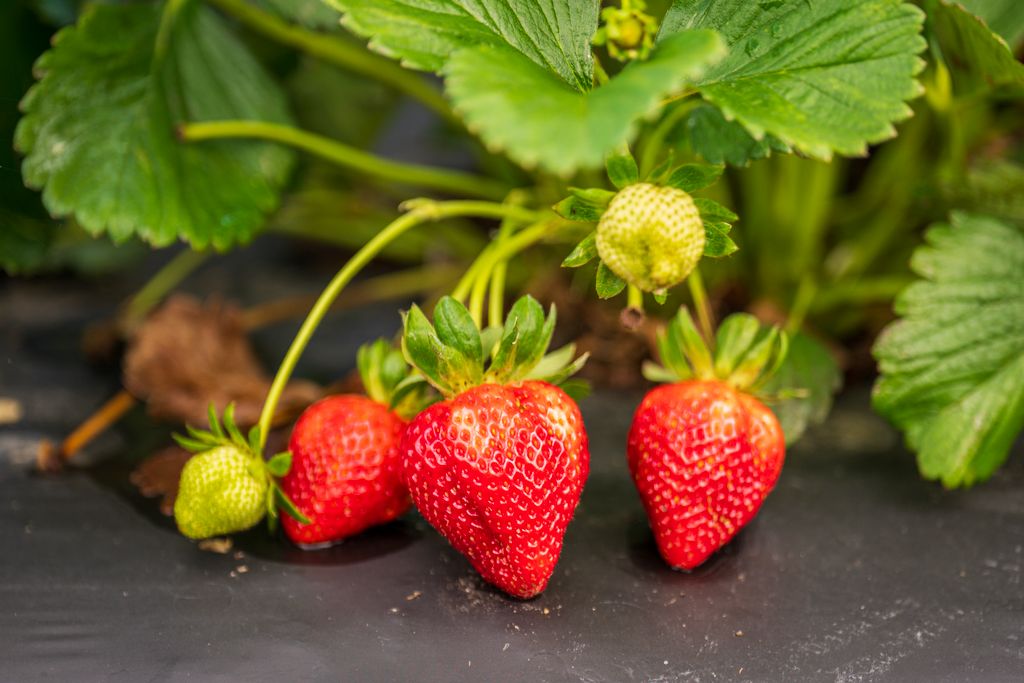
This time of year, the one item I KNOW I will be buying, the food that draws me to the market, the thing that makes me get there early, because if I don’t, they might be sold out, is STRAWBERRIES!
As a kid, we used to go strawberry picking in the early summer, and my mom would make strawberry jam, which was the only way to eat strawberries later in the year. Now, you can get strawberries at the grocery store year-round, but if you have eaten fresh picked, farm-grown strawberries, you know the supermarket version pales in comparison.
If you haven’t sought out your seasonal strawberries yet, let this post serve as a reminder, the time is short, and you may regret missing out!
I was looking back at my past cooking videos to see if I had used strawberries in any recipes, and I really haven’t (except for one smoothie). I think the reason is that strawberries taste so wonderful as is, there is rarely a need to do anything more than eat them. And in case you need any reason beyond their innate deliciousness, here are a few nutritional facts about this spring sensation:
- You can more than meet your daily requirements for Vitamin C with just one cup of strawberries
- The same amount of this red berry contains 3 grams of fiber – not enough for the whole day, but a good step in the right direction
- And, 1 cup of strawberries only has about 50 calories (we’d eat them anyway, but that’s pretty low for a fruit)
- Blueberries tend to get all the praise for being rich in antioxidants, but so are strawberries! In addition to the Vitamin C (which is an antioxidant), strawberries contain the phytochemical anthocyanin, which gives them their red color
I am not generally a purist about my produce. I don’t feel the necessity to buy organic, especially if the price is notably higher. I often can’t tell the difference between farmer’s market kale and grocery store kale, so I’ll support the local grower if the price is reasonable, but otherwise, my pocketbook decides.
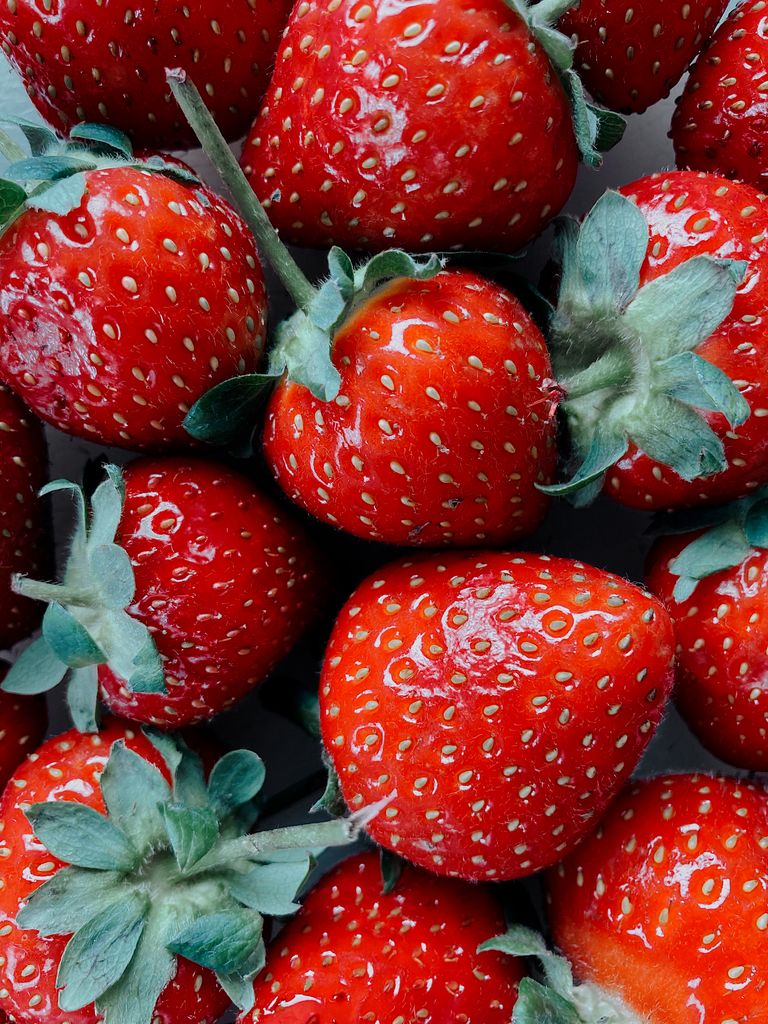
But farm-fresh strawberries are a different story. They almost seem like a completely different fruit than the large, firm berries that come in the plastic clamshells and are white inside when you cut them. Commercial strawberries are bred for size and yield, which can compromise the flavor.
Commercial strawberries are often picked before they are ripe, and though they will continue to ripen, sometimes it seems they can start to spoil before they reach that point. Also, in flavorful farm-ripened strawberries, that red color that indicates the phytochemical content is consistent through the entire fruit, meaning it is richer in antioxidants.
We also know that fruit grown off-season requires more energy to produce as well as transport. If it’s in season, it can be local and is likely much more sustainable.
I do not shun grocery store strawberries and often keep frozen ones in my freezer. But because the taste and texture of farm strawberries is so much nicer than most of what you get on shelves, I will spend extra on them, and I think it’s worth it!
Enjoy strawberry season, and if you do want to throw some of your leftovers into a smoothie, I really enjoy this recipe.

Here’s to happy healthy eating!