By the time my nutrition clients get to me, they’ve usually encountered all sorts of nutrition advice. And more often than not, they’ve already tried to follow it.

The problem isn’t always that the advice is wrong.
Sometimes, it’s that the advice is so vague that is gets interpreted in ways that were never intended.
Of course, there is plenty of truly inaccurate nutrition information out there (let me know if you’d like a post on why you probably don’t need to worry about seed oils).
But today, I want to focus on a different nutrition problem:
Nutrition advice that is technically valid, but often misunderstood.
Let’s take a look at a few common examples.
1) “Limit Saturated Fat”
What we often hear: Avoid butter, cheese, bacon, ice cream, and anything remotely enjoyable.
What it actually means: Higher intakes of saturated fat are associated with increased risk for things like elevated cholesterol and heart disease. Most guidelines recommend keeping saturated fat below about 10% of total calories.

That doesn’t mean you can never eat foods that contain saturated fat.
Butter on your toast? Fine. Ice cream once and awhile? Fine. Bacon occasionally? Also fine.
The goal is that these foods don’t make up a large percentage of your overall diet.
Limit does not mean eliminate.
2) “Limit Added Sugar”
What we often hear: Sugar is toxic. Fruit is basically candy. Avoid it all.
What it actually means: The recommendation applies to added sugars, not naturally occurring sugars found in foods like fruit, milk, or yogurt. The concern is when sweets and sugary beverages make up a large portion of your calorie intake.

A teaspoon of sugar in your coffee is about 16 calories.
A tablespoon of honey in your oatmeal is about 64 calories.
Neither of these choices is likely to make or break your health.
Sugar isn’t inherently harmful. It simply provides calories without contributing much in the way of vitamins, minerals, protein, or fiber.
If we consume too much, we might be getting more calories than we need, or crowding out other nutritious foods.
3) “Get More Protein”
What we often hear: Protein is the most important nutrient. Every meal should revolve around it.
What it actually means: Protein is important. Most people benefit from including some at each meal. But protein isn’t the only nutrient that matters. The internet has taken a reasonable recommendation and blown it completely out of proportion.
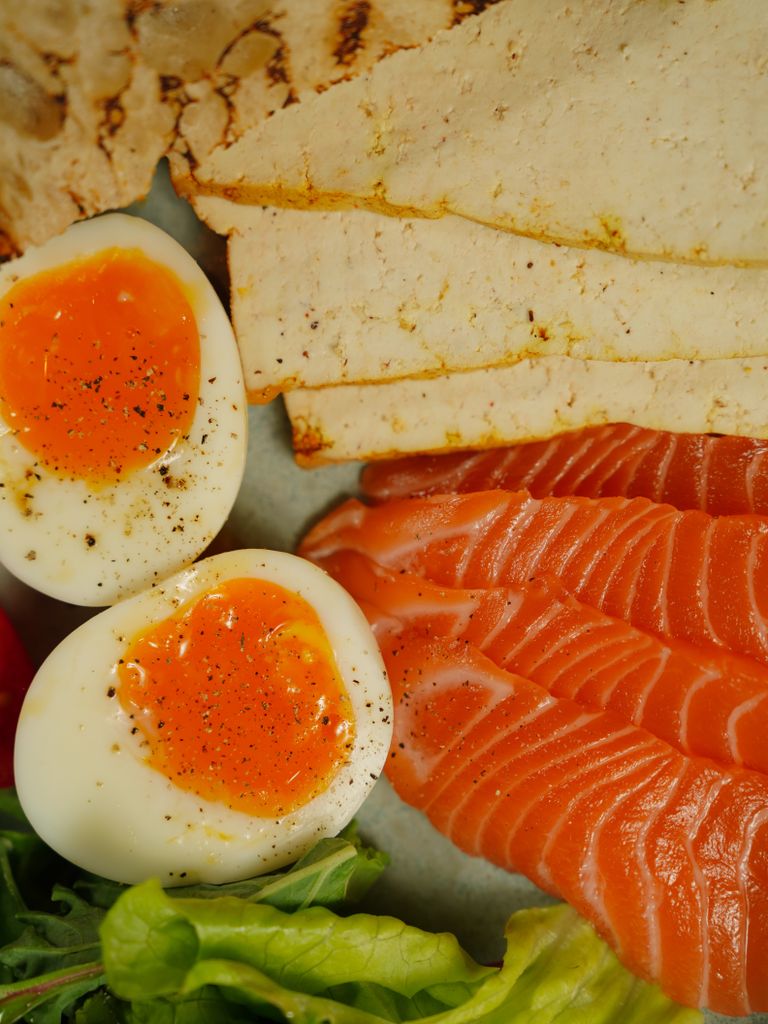
I see many people trying to build meals entirely around protein while neglecting carbohydrates, healthy fats, fruits, vegetables, and fiber.
Without anyone to help people assess how they are actually doing, the reaction is to try to double down, which is often not only unnecessary, but can be to the detriment of other nutritional principles.
Some people genuinely do need more protein. But for many others, their protein intake is already adequate.
4) “Eat Low Carb”
What we often hear: Bread, pasta, rice, and potatoes are bad. Feel guilty when you eat them.
What it actually means: Some people benefit from being mindful of carbohydrate portions, but the carbohydrates themselves aren’t the problem. Many of our most nutritious foods contain carbohydrates.
It’s true that highly processed carbohydrate foods like chips, crackers, cookies, and sweets, can be easy to over-consume… but that doesn’t mean that we should avoid carbohydrates altogether.
We absolutely should be eating carbs.
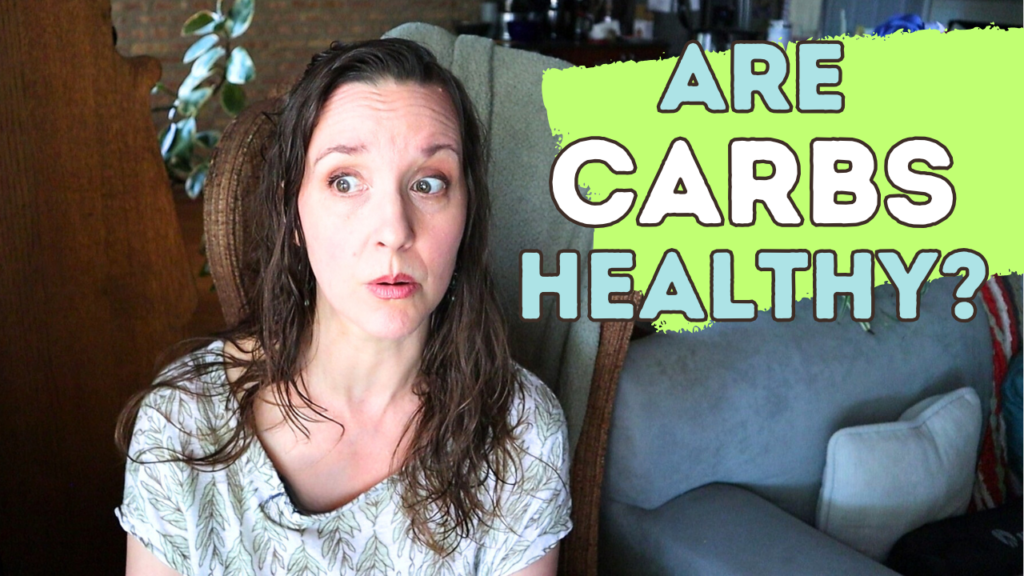
(If you’d like a deeper dive, I have a Youtube video on this topic.)
5) “Don’t Eat Late at Night”
What we often hear: Any food consumed after 7:00 PM automatically turns into body fat.
What it actually means: Your body doesn’t suddenly process food differently because the clock struck a certain hour. What often happens is that people haven’t eaten enough throughout the day. By evening, they’re ravenous and end up eating large amounts of whatever is available.

The issue isn’t usually the timing.
It’s the fact that they were under-fueled earlier.
A better takeaway might be: Eat balanced meals consistently throughout the day so you aren’t desperately hungry at night.
And if you’re hungry or want a snack after dinner? It’s not a big deal.
6) “Just Eat Less”
What we often hear: Skip meals. Ignore hunger. Cut portions out as much as possible.
What it actually means: This may be my least favorite piece of nutrition advice because it’s so vague. If someone wants to lose weight, a calorie deficit is generally required, but that doesn’t tell us how to create one in a way that’s sustainable and nutritionally adequate.
Many of the people I see have already been told to “eat less” without anyone asking what they’re currently eating.
- Sometimes they are already skipping meals.
- Sometimes they’re already under eating.
- Sometimes they’re missing entire food groups.
- In those situations, eating less isn’t the solution at all.
- In fact, improving nutrition often requires eating more of certain food before eating less of others.
That’s why personalized guidance matters.
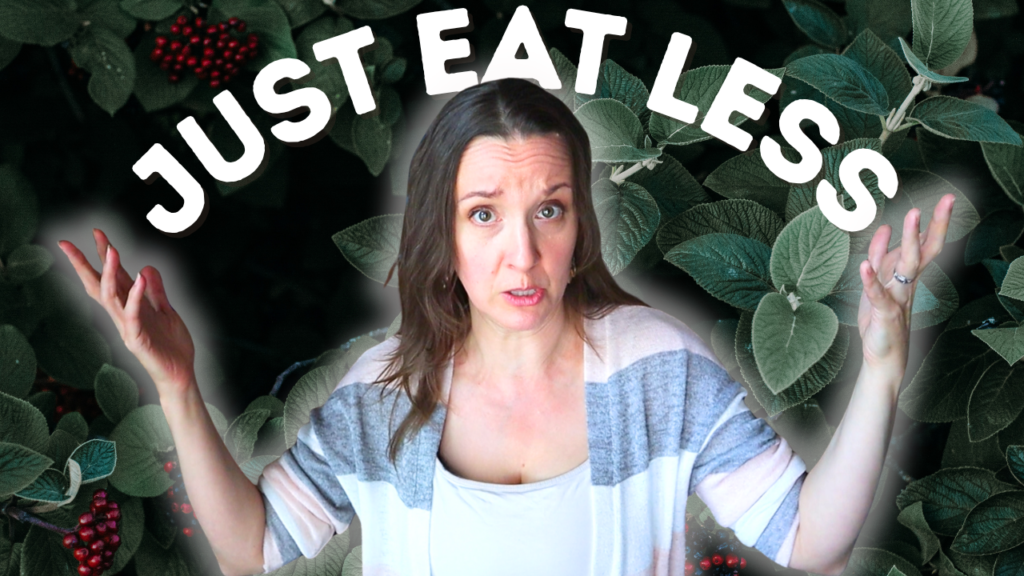
If you’ve been told to “just eat less” but you haven’t received any specific support beyond that, I strongly encourage you to work with a dietitian. Or at the very least, check out this video I made on this topic.
The more I do this work, the more I realize that nutrition advice often suffers from oversimplification.
A short headline or social media post can communicate an idea, but it can’t provide the nuance needed to apply that idea to real life.
The next time you hear a nutrition rule, consider asking yourself:
“Is this actually what the recommendation means?”
The answer might surprise you.
As always, you live in Illinois and feel you would benefit from one-on-one nutrition counseling, don’t hesitate to reach out.