One of the most frequent topics of conversation in my nutrition sessions is grocery shopping lists.
When to make them, what to put on them. It comes up a lot.
We’ve all heard that we need to shop with a list or we’ll risk coming home with a bunch of stuff we don’t need. While that’s true, I think the bigger issue is this: if we don’t have a list, we often DON’T buy the things we DO need.
Opening a full fridge and still feeling like you can’t pull together a nutritious, balanced dinner from what you find might sound like a first world problem… but it’s a common one.
Now, even with a list, you can still run into trouble. A random list of whatever pops into your head is not much better than choosing things spontaneously as you walk down the grocery store aisles. And while keeping a running list of items to replace as you run out of them is a decent system (especially for pantry staples), it’s more backward thinking than forward thinking.
If you eat the same meals every week, that method might work fine. But in my opinion, a truly helpful grocery list should be more about what you plan to eat in the coming week, not just what you’ve already used up.
And to know what belongs on that list, you’ll need to know what meals you intend to prepare.
Before you shop.
I know, it sounds obvious. But a lot of people do it backwards.
They shop first, and then try to figure out the meals later.
I’ll admit, I DO shop first sometimes, and I actually enjoy the challenge. But make no mistake: it’s harder than planning ahead. I’ll share more about that method in a minute.
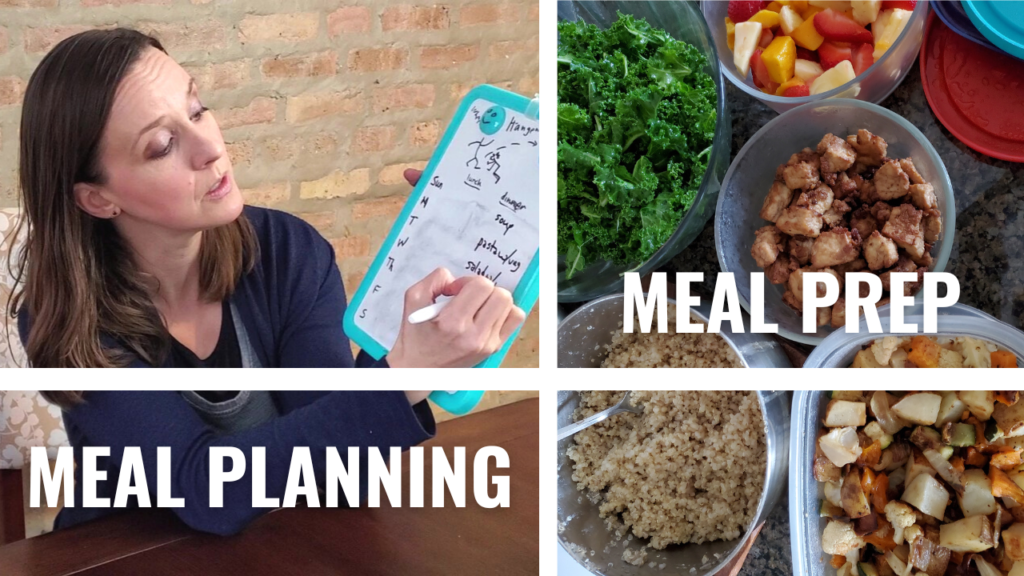
For most people, it’s far easier to get nutritious meals on the table when you buy groceries according to your plan. I made a video awhile back about meal planning and prep that might help – check it out here.
Take just 10-20 minutes each week to plan your meals, then build your grocery list from the ingredients you’ll need. We tend to do this when cooking for guests or trying a special recipe… but really, it’s a habit that can help you every single week by:
- saving time
- saving money
- reducing stress
- supporting your nutrition goals
Think about this: if you are aiming for the recommended guidelines of five servings of produce per day (something we could all benefit from), that means you need to buy around 35 servings of produce each week. Just for one person. Roughly 14 pieces of fruit and enough vegetables to provide over 20 servings.
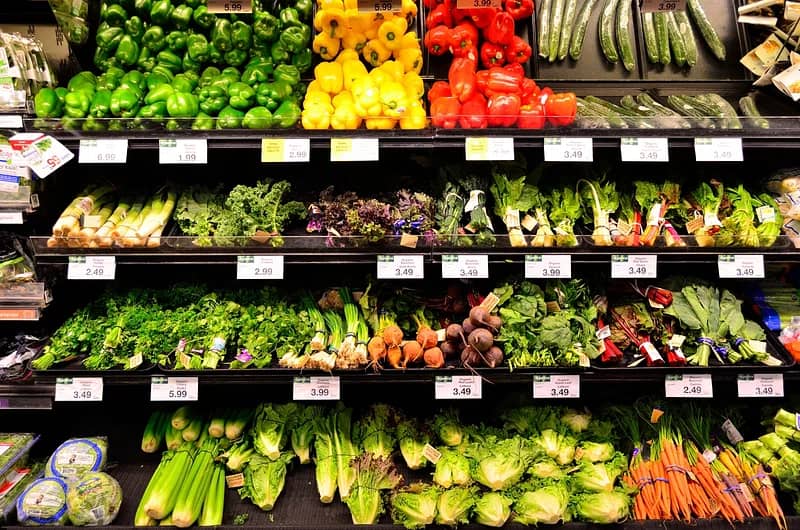
Without a plan, and without a list, there’s no way I would intuitively put that much into my cart – how about you?
Many people worry that fresh produce will spoil, so they buy less than they need, and then fall short of their goals because those foods never made it home in the first place.
But if your list reflects what you actually plan to use, you can trust it.
Following through on your list makes it easier to follow through on your meals.
I know. It sounds super obvious. But sometimes it helps to see the logic laid out clearly.
Now, here’s the twist.
I mentioned that I sometimes shop first and plan later. When I do, I still bring a list… it’s just shaped differently. For example, I might check the weekly sales, buy what’s priced well, and then figure out what to do with it once I’m home.
But I enjoy cooking, feel confident in the kitchen, and trust myself to avoid Door Dash enough to get creative.
If you watch Chopped and think, “Yeah, that could be me”, you might love this approach too. It’s a skill you can develop over time.

Finally, even if you’re a loyal list-maker, a little flexibility goes a long way. If the store is out of kale (it happens), PIVOT!
Pick another vegetable or adjust your plan. I do this often if prices are higher than I’d like (I can be a bit stingy).
Even the best designed list won’t guarantee a perfect week. There may still be a wilted cucumber or two. But just like most planning, even imperfect execution is better than no plan at all.
Struggling to figure out your own nutrition plan? If you live in Illinois and could benefit from one-on-one nutrition counseling, don’t hesitate to reach out.