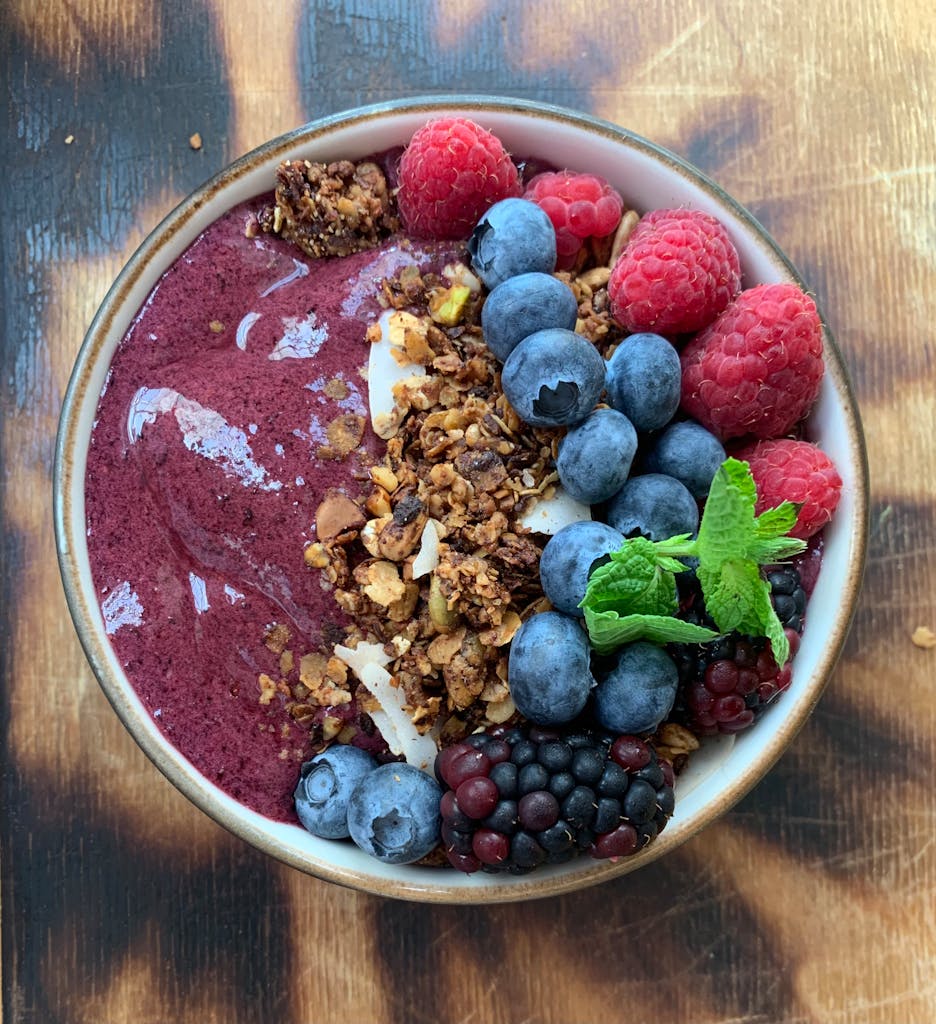
I have never had an acai bowl in my life. But if I was offered one…
…I wouldn’t turn it down. 🤷♀️
I recently had a journalism student reach out to ask my point of view, as a dietitian, on the acai bowl craze.
To be honest, I don’t think I’ve had many clients mention acai or acai bowls in their dietary recalls, so not sure the craze has invaded all markets.
But apparently, on college campuses that have an acai bowl establishment, they are a hit.
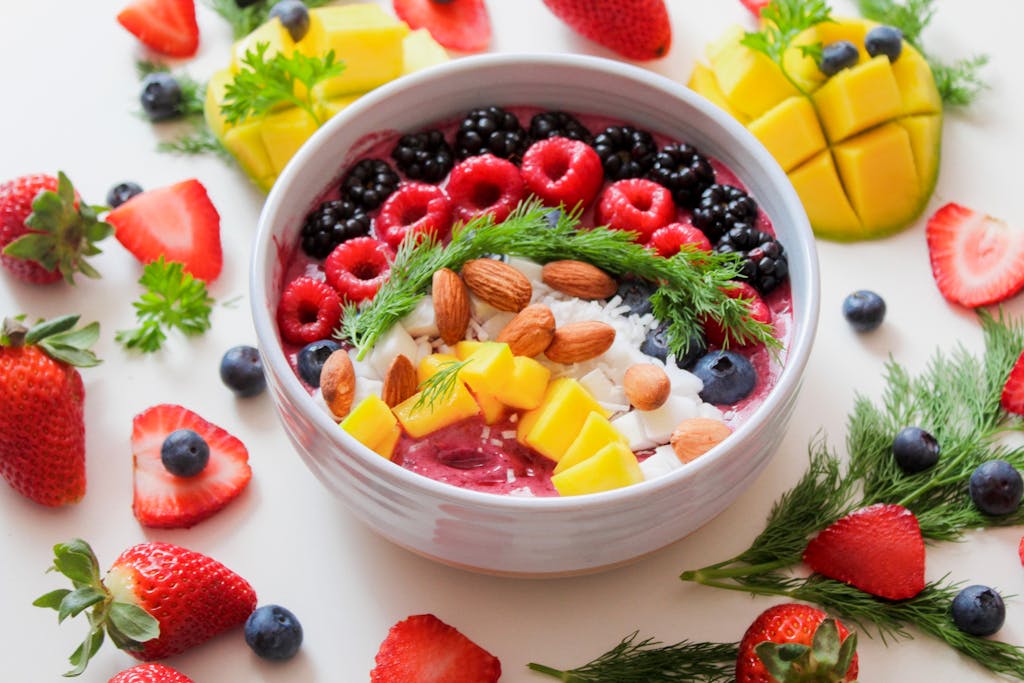
And this student was concerned that though an acai bowl may be served up like an ice cream sundae, topped with any manner of fruit, nut, granola, or candy, it is believed to be nutritionally virtuous due to the presence of ACAI.
In other words, it has a bit of a health halo.
If you’ve never heard of ACAI (pronounced ah-sigh-EE), you are not alone. Acai berries are native to Central and South America – they don’t grow in the US. Because they spoil quickly, you will never find the fresh berries in the grocery store. They are generally processed into a pulp, which also allows for seed removal, and then the pulp is sold in frozen pouches.
The most common way to consume acai berries is to blend them into a smoothie with other fruits and whatnot. Acai bowls are basically a smoothie served in a bowl with various toppings.
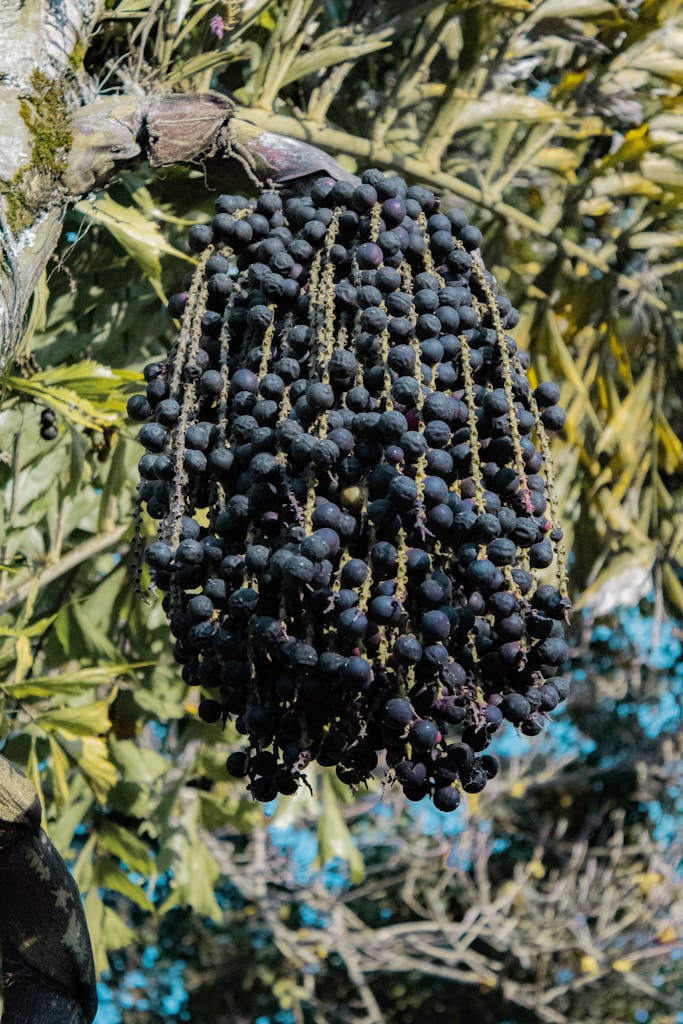
Acai itself is actually quite nutritious – it’s up there in terms of antioxidant content – boasting 3x that of blueberries, so no shade on the fruit. But more often than not, it is also blended with sugar – sometimes you will even see that sugar is an ingredient in frozen acai pouches.
Now, I don’t endorse rules against eating foods that contain sugar, but I do think it can be a little sneaky to serve someone a fruit smoothie that has a bunch of sugar added to it.
It’s actually pretty common practice for smoothie joints, though they definitely don’t advertise it. And it’s certainly true for acai bowls as the natural flavor of acai is described as earthy and bitter rather than sweet. As I’ve mentioned in videos before, generally fruit itself is enough to sweeten a smoothie. But for a company trying to make money, sugar and ice mixed with fruit is a cheaper way to make a sweet drink than fruit alone.
So buyer beware and all that.
But as I was talking to this young reporter, I was struck by how many foods, or food claims, are put up on a health pedestal in our food marketing system….
Remember in the 80s and 90s where anything labelled as “low fat” or “fat free” was eaten with abandon on the assumption that it was good for you? These days low-carb claims tend to win the day. But there are a bunch of other buzz words or phrases or even trendy ingredients that marketers like to highlight to make consumers believe the product they are buying is more nutritious than other versions of the product. But many times, though the label may be correct, it indicates nothing about the nutritional value of the product as a whole.
Here are a few examples:
- Natural – has no formal, legal definition
- Non-GMO – indicates its ingredients haven’t been genetically modified, but doesn’t mean they are healthier or more nutritious
- Gluten-free – literally an allergen warning. If you have an allergy or intolerance to gluten, you need this information, but there is nothing wrong with gluten. In fact, many foods made to be gluten-free contain more additive ingredients and/or are lower in fiber than the wheat version (gluten is the protein found in wheat).
- Organic – there may be instances in which the organic version of a whole food might be preferable, but when it comes to processed, packaged snack foods, labeling them organic does not make them nutritionally superior to the cheaper, generic version
- Vegan – important to know if you are actually vegan, but again, a vegan snack food, though not made from animal ingredients, is not magically healthier due to this one quality
And here are a few foods that, in my opinion, have benefitted from the “acai effect” over the years. Though they are very nutritious foods, they have this health halo that is somehow supposed to bestow virtue upon any other ingredients they come in contact with:
- Pomegranate – also high in antioxidants, and delicious – small amounts in any product (from Pop-Tarts to face cream) seem to make the product more enticing.
- Goji Berries – another high-antioxidant “super-food” that had a moment. Throwing a handful into cookies might elevate them, but they are still cookies.
- Kale – love this food, it’s super nutritious and full of fiber, but having a forkful will not in and of itself absolve you of the need to eat an overall balanced diet.
- Spinach – think green tortillas or pasta made with a hint of spinach coloring – are they really healthier than the plain version?
- Coconut – oil for a while, then water. Again, pluses and minuses here, but there is nothing magical about it.
Not suggesting you should avoid any of the above – these foods are great to include in a balanced diet. But including a small amount of any one food does not erase other foods you eat. The same way having a single serving of a treat food will not undermine your generally healthy diet, you can’t fix a poor diet by including the occasional trendy “miracle food”.
I’m an “all foods fit” kinda girl.
Nothing need be completely off limits unless you are allergic to it.
But marketers are out to get your consumer dollar, and they are happy to take it by convincing you that their product is going to improve your health with just one bite.
So, my overall message here is simply to avoid being duped into thinking a food product is superior to another based solely on these types of marketing ploys.
Let me know your thoughts – what other foods or food claims have been getting your attention these days? If it’s an interesting one, maybe I will look into it for a future post.
| And as always, if you could use personalized nutrition support (and you live in IL), I would be happy to talk to you further about one-on-one nutrition counselling. Click here to schedule a FREE consult |