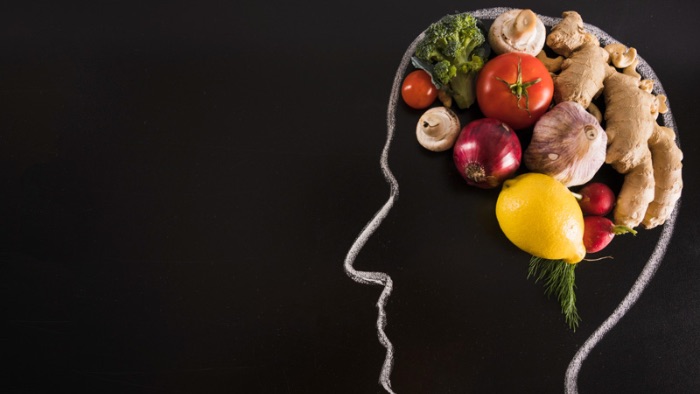
It’s May. If no one has done so yet…
…let me be the first to wish you Happy Mental Health Awareness Month!
Now of course we all know that eating right is good for our physical health, but for oh, so many reasons, it is also good for our mental health.
So I thought this special occasion would be a great time to talk about how what we eat can affect how we feel.
No, food won’t solve all our problems, physical, mental, or emotional, but the connection between nutrition and mental health is real—and growing stronger with every new study.
Let’s break it down.
🧠 Your brain is hungry…
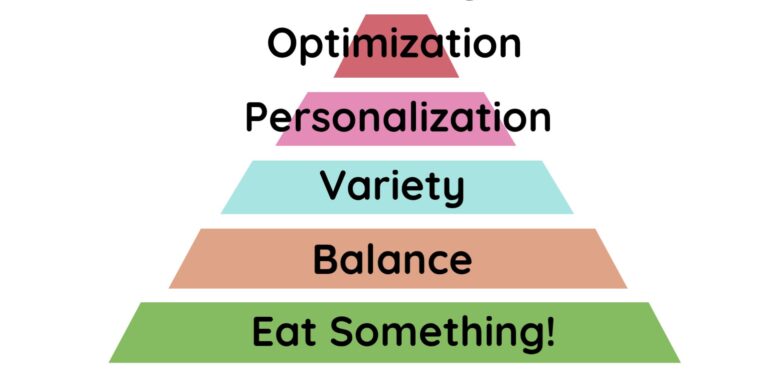
Did you know your brain uses 20-25% of the total energy your body needs each day? That’s a lot of fuel! So, when you’re under-eating, skipping meals, or restricting food groups, your brain may feel the effects—cue mood swings, brain fog, and low energy. Truly a hungry brain is a stressed brain, so as a dietitian, my first order of business with clients is to make sure they’re eating ENOUGH.
Once you’ve got sufficient quantity, then we can start talking about quality and how your next grocery run could double as a mental wellness boost providing a little nutrition for the organ running the show. Here are a few ways to go about it:
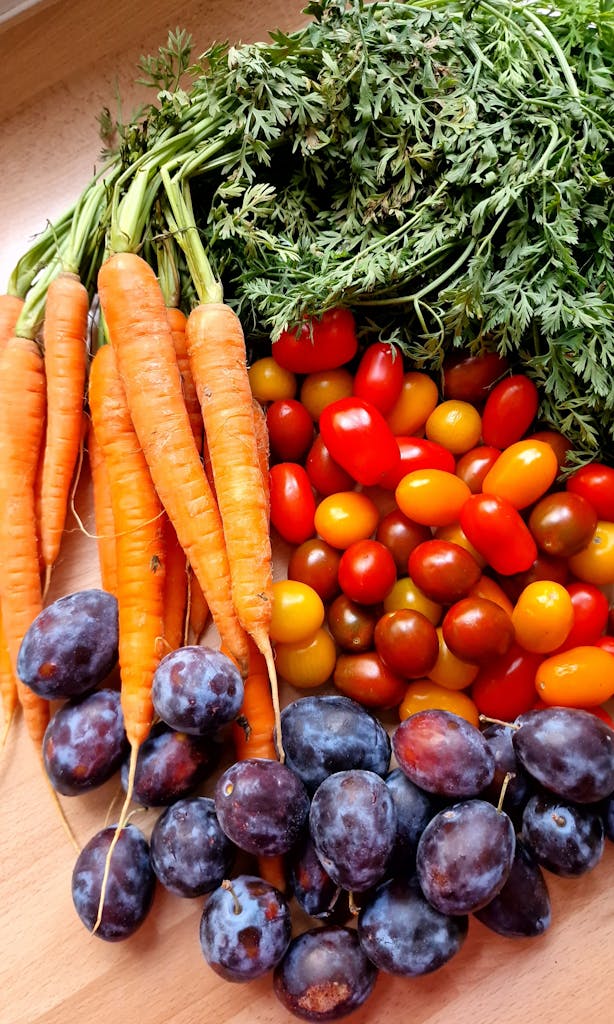
🥦 1. Eat more fruits and vegetables
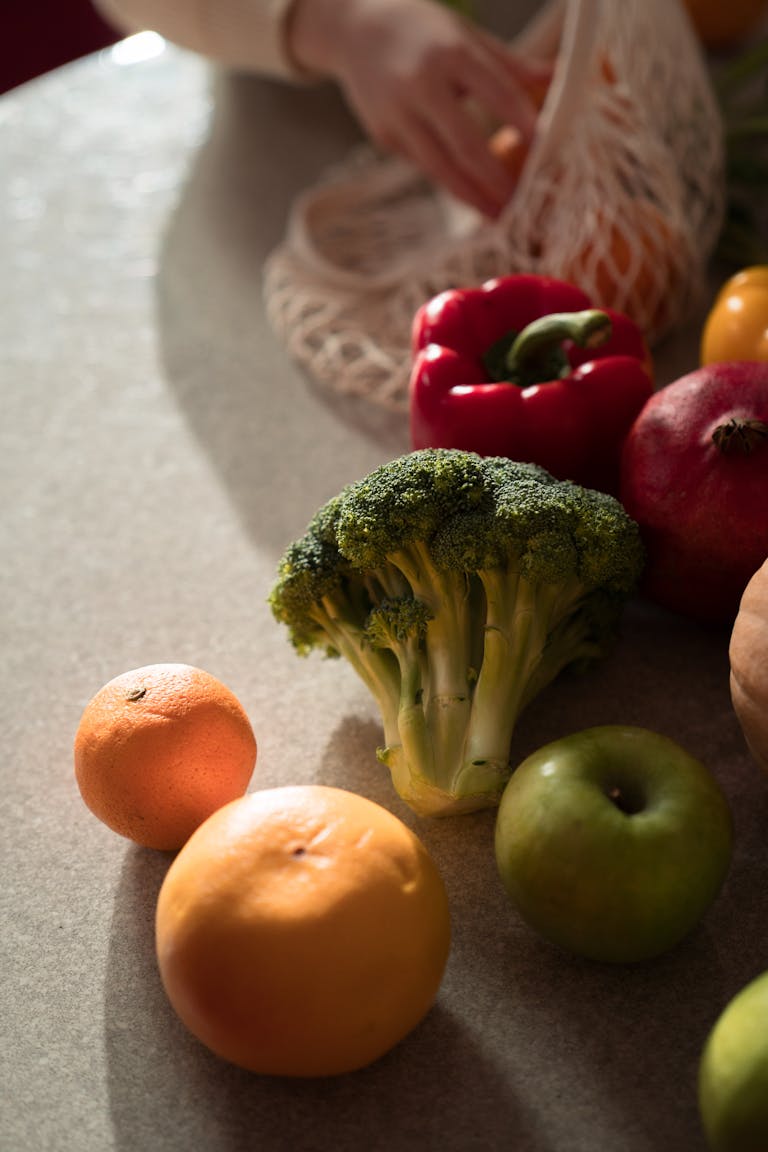
The research is consistent (and also kind of amazing): increased fruit and veggie intake has been linked to increased happiness, life satisfaction, and well-being.
When I see clients setting goals to increase their produce intake, I’m often delighted when they report feeling better after having done so – and it’s not that hard a goal to add one more serving of fruit or vegetable per day!
Even if you only feel better because you know you’re doing something good for yourself, it’s still a win.
🍽️2. Feed your gut to fuel your brain
Your gut and brain are in constant conversation, so caring for your digestive health can have ripple effects on your mood (this might sound familiar):
- Prebiotics (the food for your good bacteria) are found in foods like garlic, onions, leeks, asparagus, oats, and bananas. But really, anything rich in fiber falls into this category.
- Probiotics (the bacteria themselves) are in fermented foods like yogurt, kefir, sauerkraut, kimchi, and tempeh.
🐟 3. Include Omega-3 fats
These healthy fats are known to support brain health and have even been studied for their potential role in reducing depression and anxiety symptoms.
For vegetarians like me, good plant-based sources include:
- Flaxseed (try adding to smoothies or oatmeal)
- Chia seeds (chia pudding makes a great breakfast or snack)
- Hemp seeds (sprinkle on salads or yogurt)
If you aren’t vegetarian, fatty fish (salmon, tuna, halibut, trout, sardines, sea bass) is a great way to get some Omega-3 fats in your diet – I tend to recommend having it about twice per week.
ALSO — just a reminder that Omega-3 fats are ESSENTIAL, meaning we do need to get them somewhere in our diet. If you don’t/can’t/won’t eat any of the above, you may need to supplement with fish oil or a vegan algae-based Omega-3.

☀️ 4. Don’t forget about Vitamin D
Vitamin D is sometimes called the “sunshine vitamin,” and for good reason: our bodies produce it when exposed to sunlight. Low levels of Vitamin D have been linked to depression and seasonal mood dips.
I always encourage people to get their Vitamin D levels tested – people are often deficient because we live indoors and there just aren’t many food sources of this nutrient. Fish is one such source, but if you are like me and don’t eat fish, you may ultimately need to take a supplement.
🥜5. Think magnesium and B vitamins
Magnesium plays a role in stress regulation and sleep quality. You’ll find it in foods like leafy greens, whole grains, beans, nuts, and seeds.
B vitamins (especially B6, B12, and folate) are also important for brain function and mood balance. Look for them in… (you guessed it!) ALSO foods like leafy greens, whole grains, beans, and fortified cereals.
I know I sound like a broken record, but you truly can’t go wrong with the basics!
🥕 And don’t underestimate the power of a good crunch
This one’s a little fun: crunchy foods (think carrots, bell peppers, apples, and roasted chickpeas) can help relieve stress by giving your jaw something to do—kind of like nature’s version of bubble wrap.

So, if you’re feeling tense, grab something crisp and satisfying.
Bonus points if it’s also packed with fiber and nutrients.
Your mental health is just as important as your physical health—and they’re connected in more ways than we often realize.
If you’d like more support nourishing both body and mind, I’m currently accepting new nutrition clients in Illinois. You can schedule a free 15-minute consult with me here.